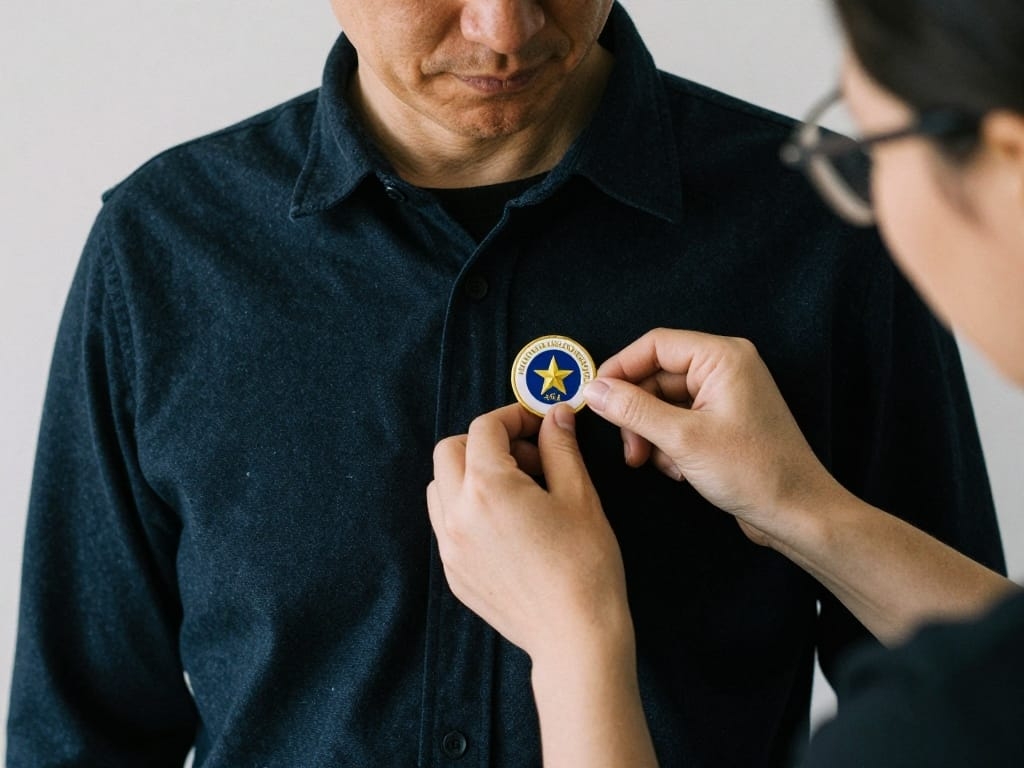
In today's corporate landscape, the significance of personalization in program design cannot be overstated, especially when it comes to years of service recognition programs. As HR professionals, you understand the value of acknowledging and rewarding long-term employees. However, a one-size-fits-all approach may not resonate with every individual. Personalization allows you to tailor recognition efforts to meet the unique preferences, motivations, and aspirations of your employees.
By incorporating personalization into your program design, you create a more meaningful and impactful experience for your employees. When recognition feels tailored to their specific contributions and achievements, it fosters a sense of belonging and appreciation. This, in turn, enhances employee engagement, satisfaction, and loyalty.
Moreover, personalization enables you to address the diverse needs and expectations of your workforce. Employees have different career goals, values, and interests. By offering personalized recognition options, you can cater to these individual differences and ensure that every employee feels seen and valued.
In addition to boosting employee morale, personalization in program design also strengthens your company culture. When employees witness their colleagues being recognized in a personalized manner, it cultivates a culture of appreciation and collaboration. This positive work environment attracts top talent, enhances retention rates, and ultimately contributes to the overall success of your organization.
As you embark on designing or enhancing your years of service recognition program, remember that personalization is not a luxury but a necessity. By investing time and effort into understanding your employees' preferences and motivations, you can create a program that truly resonates with them and fosters a culture of recognition and appreciation.

When designing a years of service recognition program for HR professionals in companies with over 200 employees, it is crucial to delve into the specific needs and preferences of this audience. These HR professionals are often managing large, diverse teams and face unique challenges that smaller organizations may not encounter. They require a program that not only acknowledges long-term service but also aligns with the company's culture and values.
Firstly, consider the diversity within the workforce. Employees in large companies come from various backgrounds, have different career aspirations, and value different types of recognition. Some may prefer public acknowledgment, while others might value private gestures or tangible rewards. Understanding these preferences allows HR professionals to create a more inclusive and effective recognition program.
Additionally, the administrative burden on HR departments in large companies is significant. A recognition program should be easy to manage and integrate seamlessly with existing HR systems. Automation and streamlined processes can help reduce the workload on HR professionals, allowing them to focus more on strategic initiatives.
Moreover, the program should be flexible enough to adapt to changing company goals and employee expectations. Regular feedback mechanisms can help HR professionals gauge the effectiveness of the program and make necessary adjustments. This iterative approach ensures that the recognition program remains relevant and impactful over time.
In summary, a well-designed years of service recognition program for HR professionals in large companies must be tailored to the specific needs and preferences of the target audience. By considering diversity, administrative ease, and flexibility, HR professionals can create a program that truly resonates with employees and fosters a positive work environment.
Q: How can personalization enhance a years of service recognition program?
A: Personalization in a years of service recognition program allows HR professionals to tailor recognition efforts to individual employee preferences, making the program more meaningful and impactful. By understanding what each employee values—whether it's public acknowledgment, private gestures, or tangible rewards—HR can create a more inclusive and effective recognition culture. This approach not only boosts employee morale but also fosters a stronger connection to the company’s values and culture.
Personalized programs significantly boost employee engagement by making individuals feel valued and understood. When employees see that their unique contributions and preferences are recognized, they are more likely to invest their time and effort into company initiatives. This heightened engagement leads to a more dynamic and collaborative work environment, where employees are eager to participate and contribute their best work. Moreover, tailored recognition fosters a sense of belonging, encouraging employees to align their personal goals with the company's objectives. As a result, the overall productivity and morale of the workforce improve, creating a positive feedback loop that benefits both employees and the organization.
Motivation is a critical factor in employee performance, and personalized programs play a pivotal role in enhancing it. When employees receive recognition that is specifically tailored to their achievements and efforts, it serves as a powerful motivator. This targeted acknowledgment reinforces positive behaviors and encourages employees to continue striving for excellence. Additionally, personalized rewards and recognitions can address individual motivational drivers, whether they are career advancement, skill development, or work-life balance. By catering to these unique motivators, companies can create a more motivated and driven workforce, leading to higher levels of job satisfaction and retention.
Employee satisfaction is closely linked to the perception of fairness and recognition within the workplace. Personalized programs contribute to heightened satisfaction by ensuring that each employee feels seen and appreciated for their unique contributions. When recognition is tailored to individual accomplishments, it validates the hard work and dedication of employees, leading to a greater sense of fulfillment. This increased satisfaction not only improves employee well-being but also reduces turnover rates, as satisfied employees are less likely to seek opportunities elsewhere. Furthermore, a satisfied workforce is more likely to advocate for the company, enhancing its reputation and attracting top talent.
Retention is a significant concern for many organizations, and personalized programs can be a game-changer in this regard. By acknowledging and rewarding employees in a way that resonates with them personally, companies can foster a stronger emotional connection to the organization. This connection makes employees more likely to stay with the company long-term, reducing the costs and disruptions associated with high turnover. Additionally, personalized recognition can help identify and address the specific needs and concerns of employees, further enhancing their commitment to the company. As a result, organizations can build a stable and loyal workforce that contributes to sustained success.
Loyalty is built on trust and mutual respect, and personalized programs are instrumental in cultivating these qualities. When employees feel that their contributions are genuinely valued and recognized, they are more likely to develop a strong sense of loyalty to the company. This loyalty translates into a willingness to go above and beyond in their roles, advocate for the company within and outside the organization, and contribute to a positive workplace culture. Moreover, loyal employees are more resilient in the face of challenges, as they believe in the company's values and mission. Personalized recognition thus plays a crucial role in fostering a loyal and dedicated workforce.
Effective personalization in program design hinges on several essential components that collectively enhance the relevance and impact of initiatives like years of service recognition programs. One critical element is employee feedback. Gathering insights directly from employees through surveys, focus groups, and one-on-one interviews allows organizations to understand individual preferences, motivations, and expectations. This feedback is invaluable for tailoring recognition efforts to resonate with the workforce, ensuring that the programs are meaningful and appreciated.
In summary, the integration of employee feedback, data analytics, and cultural considerations forms the cornerstone of effective personalization in program design. By meticulously attending to these components, HR professionals can develop recognition programs that not only celebrate years of service but also deeply connect with and motivate the entire workforce.
Personalization significantly enhances employee engagement in recognition programs by making the initiatives more relevant and meaningful to each individual. When employees feel that their unique contributions and personal milestones are acknowledged, they are more likely to feel valued and motivated. This, in turn, fosters a positive work environment and encourages continued high performance. Personalized recognition demonstrates that the organization cares about each employee's growth and well-being, leading to increased job satisfaction and loyalty.
Data analytics play a pivotal role in personalization by providing a quantitative foundation for decision-making. By analyzing employee data, organizations can identify patterns, trends, and specific needs within different segments of the workforce. This might include tenure, department, performance metrics, or even personal milestones. Data-driven insights enable HR professionals to create targeted recognition strategies that address the unique contributions and achievements of employees, thereby enhancing the effectiveness of the program.
Cultural considerations are another vital aspect of personalization. Recognizing the diverse backgrounds, values, and traditions within a multinational or multicultural workforce is essential for creating inclusive recognition programs. Cultural sensitivity ensures that recognition efforts are respectful and appropriate, fostering a sense of belonging and value among all employees. This might involve incorporating cultural celebrations, respecting religious observances, or acknowledging significant local events in the recognition process.
In today's diverse workplace, inclusivity in program design is not just a moral imperative but a strategic advantage. When designing years of service recognition programs, it is crucial to ensure that all employees, regardless of their background, feel valued and recognized. This approach fosters a sense of belonging and encourages higher engagement and retention rates.
Inclusivity begins with understanding the diverse needs and preferences of your workforce. This means moving beyond a one-size-fits-all approach and instead creating tailored recognition strategies that resonate with different employee segments. For instance, consider cultural, generational, and personal differences when selecting rewards and recognition methods. What motivates one employee may not motivate another, so offering a variety of recognition options can help ensure that everyone feels seen and appreciated.
Additionally, inclusive program design involves soliciting feedback from employees throughout the process. Regular surveys, focus groups, and open forums can provide valuable insights into what employees value most. This not only helps in crafting more effective recognition programs but also demonstrates a commitment to listening and adapting to employee needs.
Key Elements of Inclusive Program Design:
Furthermore, inclusivity extends to the communication of the program. Ensure that all employees are aware of the recognition opportunities available to them. This might involve multilingual communications, accessible formats for those with disabilities, and clear, transparent criteria for recognition.
In conclusion, an inclusive approach to program design ensures that all employees feel valued and recognized, leading to a more engaged and loyal workforce. By taking the time to understand and address the diverse needs of your employees, you create a recognition program that truly makes a difference.
Implementing personalized programs within an organization requires a strategic approach that aligns with the unique needs and preferences of employees. Begin by conducting thorough employee surveys and focus groups to gather insights into what employees value most in recognition programs. This data will serve as the foundation for tailoring initiatives that resonate with your workforce.
Next, segment your employee base into distinct groups based on factors such as department, role, tenure, and performance levels. This segmentation allows for the creation of targeted recognition strategies that address the specific motivations and challenges faced by different employee cohorts.
Consider leveraging technology to facilitate personalization. Utilize HR software that can track employee achievements, milestones, and contributions in real-time. This enables timely and relevant recognition, enhancing the impact of your programs.
Additionally, involve employees in the design process by seeking their input on the types of rewards and recognition they find most meaningful. This collaborative approach not only increases buy-in but also ensures that the programs are aligned with employee preferences.
Finally, regularly evaluate the effectiveness of your personalized programs through feedback mechanisms and performance metrics. This ongoing assessment allows for continuous improvement and adaptation to changing employee needs and preferences. By adopting these strategies, HR professionals can create a culture of recognition that fosters engagement, motivation, and loyalty among employees.
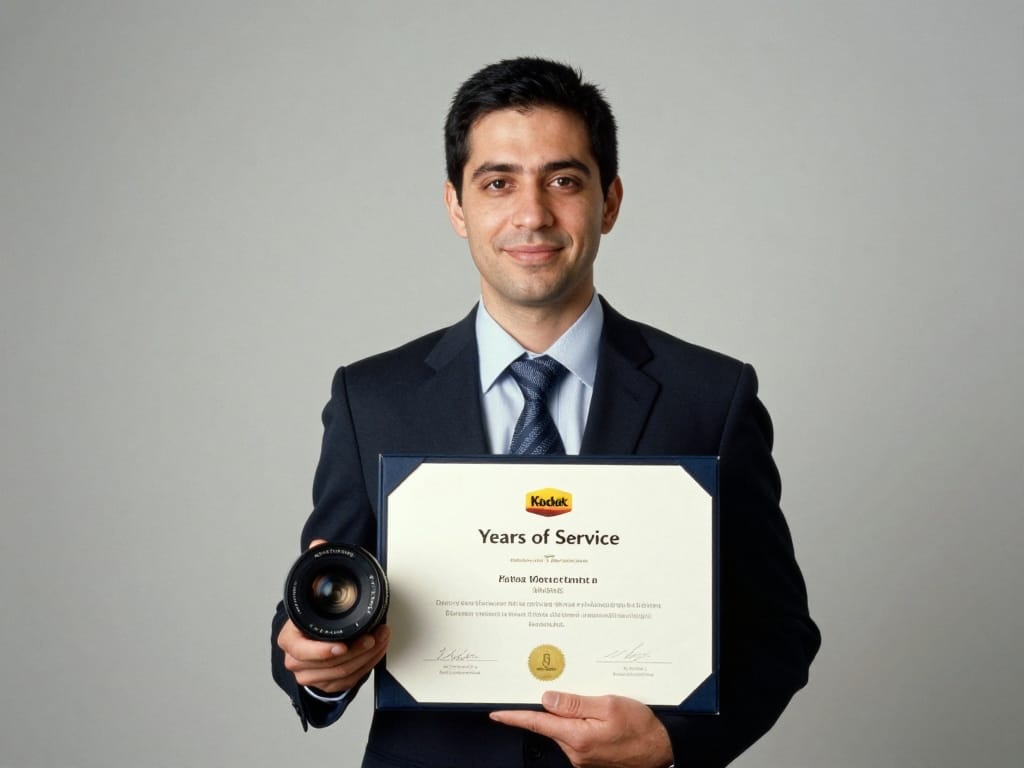
Evaluating the effectiveness of personalized programs is crucial for ensuring that they meet the needs of employees and contribute to a positive work environment. One method for assessing effectiveness is through the use of surveys and feedback forms. These tools can be used to gather information on employee satisfaction, engagement, and overall program impact. By analyzing the data collected, HR professionals can identify areas for improvement and make data-driven decisions to enhance the program.
Another approach to evaluating program effectiveness is through the use of key performance indicators (KPIs). These metrics can include employee retention rates, productivity levels, and overall job satisfaction. By tracking these KPIs over time, HR professionals can determine whether the personalized program is having a positive impact on the organization.
In addition to surveys and KPIs, HR professionals can also use focus groups and interviews to gather qualitative data on program effectiveness. These methods allow for a more in-depth understanding of employee experiences and can provide valuable insights into areas for improvement.
Once data has been collected and analyzed, it is important for HR professionals to use this information to make data-driven improvements to the personalized program. This may involve making changes to program design, communication strategies, or incentives to better meet the needs of employees. By continuously evaluating and improving the program, HR professionals can ensure that it remains effective and relevant in meeting the needs of the organization and its employees.

Several companies have successfully implemented personalized programs, offering valuable insights into best practices and lessons learned. One notable example is Amazon, which has tailored its employee recognition program to individual preferences and achievements. By allowing employees to choose their rewards-whether it's extra time off, a monetary bonus, or a personalized gift-Amazon ensures that recognition is meaningful and motivating. This approach not only boosts employee satisfaction but also enhances engagement and retention.
Another example is Salesforce, which utilizes data analytics to create highly personalized recognition programs. Salesforce's "Trailhead" platform offers customized learning paths and badges that employees can earn based on their specific roles and career goals. This not only recognizes their achievements but also supports their professional development. The company has found that such personalized recognition leads to higher employee morale and a stronger sense of accomplishment.
Additionally, Google's "Peer Bonus" program allows employees to nominate and reward their colleagues for exceptional work. This peer-to-peer recognition is personalized by nature, as it comes directly from those who have witnessed the impact of an employee's contributions. Google has observed that this form of recognition fosters a collaborative culture and encourages continuous high performance.
These examples illustrate that successful personalized programs are those that consider individual preferences, leverage data for customization, and foster a culture of recognition and growth. By adopting these best practices, companies can create more effective and engaging years of service recognition programs.

A firm is a legal entity that stands for an association of lawful persons with a particular, shared purpose, such as the earning of profit or the benefit of culture. Depending upon jurisdiction, firms can tackle numerous types, such as volunteer organizations, nonprofit companies, company entities, economic entities, banks, and educational institutions. Across jurisdictions, firms have normally developed to have particular common lawful features, including different lawful character, limited responsibility, transferable shares, capitalist ownership, and a managerial hierarchy. Depending on jurisdiction, the term "company" might or may not be synonymous with firm, collaboration, company and culture. Business are regulated by firm law, which is also called corporate legislation in some jurisdictions. Integrated business are produced by and registered with the state, whereas unincorporated business are not. When a company closes, it may need to be liquidated to avoid further lawful responsibilities. Companies might connect and jointly register themselves as new companies known as corporate teams, collections of parent and subsidiary firms.
.Onboarding or business socialization is the American term for the system where brand-new staff members obtain the essential understanding, skills, and actions to end up being efficient organizational members and experts. In apart from American English, such as in British and Australasian languages, this is referred to as "induction". In the United States, approximately 25% of employees are business newbies taken part in onboarding process. Strategies used in this process consist of official meetings, talks, video clips, printed materials, or computer-based positionings that outline the operations and culture of the organization that the worker is entering into. This process is known in other components of the world as an 'induction' or training. Studies have documented that onboarding process is necessary to boosting staff member retention, improving productivity, and cultivating a positive organizational culture. Socialization strategies such as onboarding bring about positive end results for new staff members. These include greater job contentment, much better work efficiency, greater business dedication, and decrease in work-related stress and intent to give up. The term "onboarding" is management lingo coined in the 1970s.
.Job complete satisfaction, employee complete satisfaction or job contentment is a step of workers' satisfaction with their work, whether they like the work or individual facets or aspects of work, such as nature of work or guidance. Job contentment can be determined in cognitive (evaluative), affective (or emotional), and behavioral parts. Researchers have actually also kept in mind that work fulfillment actions vary in the degree to which they gauge feelings concerning the job (affective work contentment). or cognitions concerning the job (cognitive job contentment). One of one of the most utilized interpretations in organizational research is that of Edwin A. Locke (1976 ), who specifies work satisfaction as "a pleasant or positive mood resulting from the appraisal of one's job or task experiences" (p. 1304). Others have defined it as simply exactly how material an individual is with their task; whether they such as the task. It is evaluated at both the international level (whether the individual is pleased with the task general), or at the element degree (whether the person is pleased with different elements of the job). Spector (1997) lists 14 usual aspects: admiration, communication, colleagues, additional benefit, Task conditions, nature of the job, organization, individual development, policies and treatments, promotion opportunities, acknowledgment, safety, and guidance.
.