In today's fast-paced corporate environment, the role of a manager extends beyond mere oversight and task delegation. One of the most impactful aspects of managerial influence is their presence during recognition moments. These moments, where employees are acknowledged for their hard work, dedication, and achievements, are crucial for fostering a positive workplace culture. When managers are present during these moments, it sends a powerful message to employees about the value and importance of their contributions.
Manager presence during recognition not only enhances the morale of the recognized employee but also inspires others within the team. It creates a sense of community and shared success, reinforcing the idea that individual efforts are noticed and appreciated at the highest levels of the organization. This can lead to increased job satisfaction, higher retention rates, and a more engaged workforce.
Moreover, the presence of a manager during recognition moments can significantly influence the perception of the company's values and culture. It demonstrates that the organization prioritizes and celebrates its employees' achievements, which can be a strong attractor for top talent. In companies with more than 200 employees, where personal connections might be less frequent, these moments of recognition become even more critical.
As we delve deeper into how manager presence shapes recognition moments, it's essential to understand the dynamics at play and the strategies that can be employed to maximize the impact of these interactions.
Understanding these benefits helps HR professionals design effective recognition programs that leverage manager presence to foster a positive and productive workplace environment.
Improving company culture is one strategy to enhance long-term staff engagement as it reduces costly churn..
Manager presence refers to the consistent and impactful visibility of a manager within the workplace. It encompasses not only the physical presence of a manager but also their emotional and psychological availability to their team. This presence is crucial in fostering a positive work environment and plays a significant role in recognition scenarios. When a manager is present, employees feel seen, heard, and valued. This visibility allows managers to observe their team's efforts, understand their challenges, and recognize their achievements in real-time.
In the context of recognition, manager presence ensures that acknowledgments are timely and meaningful. When managers are actively engaged with their teams, they can provide immediate feedback and recognition, which reinforces positive behaviors and motivates employees. This immediate recognition is more impactful than delayed acknowledgments, as it directly correlates the effort with the reward. Moreover, a manager's presence during recognition moments sets a tone for the entire team. It demonstrates the importance of the achievement and encourages a culture of appreciation and mutual respect.
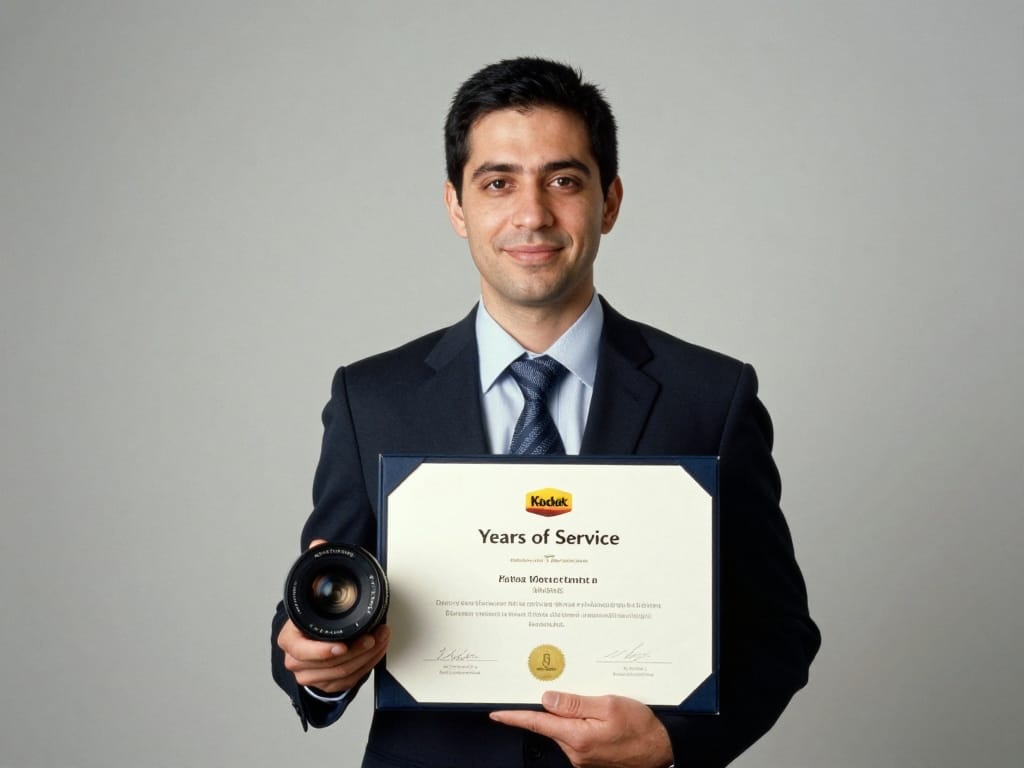
For HR professionals designing years of service recognition programs, understanding and leveraging manager presence is essential. By ensuring that managers are actively involved in the recognition process, companies can enhance the effectiveness of their programs. This involvement not only boosts employee morale but also strengthens the overall organizational culture. Therefore, cultivating manager presence should be a priority for any company aiming to create a robust and impactful recognition program.
The physical and emotional presence of a manager during recognition moments significantly influences their effectiveness. When a manager is genuinely present, employees feel more valued and acknowledged, which enhances the impact of the recognition. This presence signals to employees that their contributions are noticed and appreciated, fostering a positive work environment. Moreover, a manager's presence can inspire others to engage more deeply in recognition practices, creating a culture of appreciation within the organization. Ultimately, the effectiveness of recognition moments is greatly amplified when managers are actively and emotionally present.
An emotionally connected manager can transform recognition moments into powerful experiences for employees. When managers show genuine emotion and enthusiasm during recognition, it resonates more deeply with employees. This emotional connection helps employees feel more engaged and motivated, as they perceive the recognition as sincere and heartfelt. It also strengthens the bond between managers and their teams, leading to increased trust and loyalty. In turn, this fosters a more collaborative and supportive work environment, where recognition is seen as a meaningful and integral part of the company culture.
Authentic engagement from managers during recognition moments can significantly enhance their effectiveness. When managers are truly engaged and invested in the recognition process, employees are more likely to feel appreciated and motivated. This genuine engagement conveys to employees that their hard work and achievements are not only noticed but also valued by leadership. It also sets a positive example for other team members, encouraging them to participate more actively in recognition practices. Ultimately, authentic engagement from managers creates a more dynamic and appreciative workplace culture.
Investing time in recognition moments is crucial for their effectiveness. When managers take the time to personally acknowledge employees' achievements, it demonstrates a commitment to their growth and well-being. This investment of time shows employees that they are more than just numbers or cogs in the machine; they are valued individuals whose contributions matter. It also allows managers to provide more specific and meaningful recognition, which can have a greater impact on employee morale and motivation. In the long run, this time investment pays off by fostering a more engaged and loyal workforce.
The cultural influence of a manager's presence during recognition moments cannot be overstated. When managers consistently demonstrate the importance of recognition through their actions, it sets a precedent for the entire organization. This cultural influence encourages other leaders and employees to adopt similar practices, creating a ripple effect of positive recognition throughout the company. It also helps to establish recognition as a core value within the organization, rather than a sporadic or optional activity. Ultimately, a strong culture of recognition, driven by managerial presence, leads to higher employee satisfaction, retention, and overall performance.

In today's fast-paced corporate environment, the presence of a manager can significantly elevate recognition moments, making them more impactful and memorable. Consider the case of a multinational tech company where a senior manager made it a point to attend every team celebration, no matter how small. During one such event, an employee was being recognized for their decade-long service. The manager's presence not only validated the employee's hard work but also inspired others to strive for similar recognition. This act of presence fostered a culture of appreciation and motivated the team to achieve higher levels of performance.
Key Benefits of Manager Presence in Recognition Moments:
Another compelling example comes from a retail corporation with multiple locations. Here, a district manager implemented a policy of surprise visits to stores, specifically to acknowledge employees who had reached significant service milestones. One such visit involved an employee who had just completed 15 years with the company. The district manager's unexpected presence turned a routine award ceremony into a company-wide celebration, complete with social media coverage and a feature in the employee newsletter. This not only honored the individual but also reinforced the company's commitment to recognizing long-term service.
These examples illustrate how a manager's presence can transform ordinary recognition moments into extraordinary experiences that resonate throughout the organization. By being present, managers not only show their support but also create a ripple effect that encourages a culture of recognition and appreciation.
To effectively improve manager presence during recognition events, it is essential to adopt a multifaceted approach that emphasizes authenticity, engagement, and consistency. Firstly, managers should make a conscious effort to be physically and mentally present. This means arriving early to the event, familiarizing themselves with the agenda, and being fully engaged with the participants. By demonstrating genuine interest and attentiveness, managers can create a more impactful and meaningful recognition experience.
Another critical strategy is to personalize recognition. Managers should take the time to understand the achievements and contributions of each employee being recognized. This can be achieved through one-on-one conversations prior to the event, allowing managers to tailor their acknowledgments to reflect the individual's specific accomplishments and impact on the organization. Personalized recognition not only enhances the employee's experience but also reinforces the manager's commitment to their team.
Additionally, managers should practice active listening during recognition events. This involves giving full attention to the speakers, acknowledging their words, and responding thoughtfully. Active listening fosters a sense of value and respect, making employees feel heard and appreciated. Managers can also encourage a culture of recognition by modeling the behavior they wish to see. By consistently acknowledging the efforts of their team members in day-to-day interactions, managers set a standard for recognition that permeates the workplace.
Finally, leveraging technology can enhance manager presence. Utilizing video messages or digital platforms for recognition can ensure that remote employees feel included and valued. This approach not only broadens the reach of recognition but also allows managers to maintain a consistent presence across different teams and locations. By integrating these strategies, managers can significantly elevate their presence during recognition events, fostering a more engaged and appreciative workplace culture.
In today's fast-paced corporate environment, digital tools and platforms play a crucial role in enhancing manager presence during recognition moments. These technologies enable managers to engage with employees more effectively, regardless of physical location, thereby fostering a culture of appreciation and acknowledgment. For instance, platforms like Slack, Microsoft Teams, and dedicated recognition software such as Bonusly or Kudos allow managers to send timely and personalized messages of recognition. This immediacy ensures that employees feel valued in the moment, reinforcing positive behaviors and contributions.
Moreover, digital tools provide a structured way to document and share recognition moments across the organization. This not only amplifies the impact of the recognition but also creates a transparent environment where peers can see and be inspired by the achievements of others. Features like notifications and reminders help managers stay consistent with their recognition efforts, ensuring that no significant contribution goes unnoticed.
Additionally, these platforms often include analytics and reporting features that allow HR departments to track the effectiveness of recognition programs. By analyzing data, HR can identify trends, measure employee engagement levels, and make informed decisions to improve the program over time. This data-driven approach ensures that recognition efforts are aligned with the company's goals and values, ultimately leading to a more motivated and satisfied workforce.
To evaluate the influence of manager presence on employee recognition programs, HR professionals can employ a multifaceted approach. Begin by conducting surveys that specifically target employees' perceptions of recognition moments. These surveys should gauge whether employees feel their contributions are acknowledged in a timely and meaningful manner, and whether they perceive their managers as actively engaged in the recognition process. Additionally, it is beneficial to gather feedback on the overall atmosphere of recognition within the team, assessing whether it is perceived as genuine or superficial.
Another effective method is to analyze the frequency and quality of recognition instances. This can be done by tracking the number of recognitions given by managers versus other sources, such as peers or automated systems. Furthermore, assess the qualitative aspects of these recognitions—are they specific, timely, and aligned with the company's values?
Observational studies can also provide valuable insights. HR professionals should consider shadowing managers during team meetings or one-on-one sessions to observe how recognition is delivered and received. This direct observation can reveal patterns in manager behavior and employee reactions that surveys might miss.
Key Metrics to Consider:
Lastly, consider implementing a feedback loop where employees can anonymously suggest improvements to the recognition program. This can help identify areas where manager presence may be lacking and provide actionable insights for enhancement. By combining these methods, HR can gain a comprehensive understanding of how manager presence impacts recognition moments and make data-driven decisions to improve the program.
Turn over or turn over might describe:
.Job fulfillment, worker complete satisfaction or job contentment is a measure of employees' contentment with their work, whether they such as the job or specific aspects or facets of work, such as nature of work or guidance. Job satisfaction can be determined in cognitive (evaluative), affective (or psychological), and behavior components. Researchers have actually also noted that work complete satisfaction procedures differ in the level to which they gauge feelings regarding the work (affective task fulfillment). or cognitions regarding the job (cognitive job fulfillment). One of the most widely used interpretations in organizational research is that of Edwin A. Locke (1976 ), who defines task fulfillment as "a pleasant or positive mood arising from the appraisal of one's job or task experiences" (p. 1304). Others have specified it as merely exactly how material an individual is with their work; whether they such as the task. It is evaluated at both the worldwide degree (whether the person is pleased with the task overall), or at the facet level (whether the individual is pleased with various aspects of the job). Spector (1997) checklists 14 common aspects: admiration, communication, colleagues, fringe benefits, Job conditions, nature of the work, company, personal growth, plans and procedures, promo opportunities, recognition, protection, and supervision.
.Retention rate is a statistical dimension of the percentage of individuals that continue to be included with a team from one time period to an additional. The principle is made use of in lots of contexts, consisting of marketing, investment, education and learning, employee management, research study, and scientific tests. The specific definition depends on the context. As a basic regulation, high retention represents a favorable outcome. In advertising, retention price matter clients and their task irrespective purchases they make. In a study of nearly 200 senior marketing managers, 63 percent reacted that they discovered the "retention rate" metric very helpful.
.