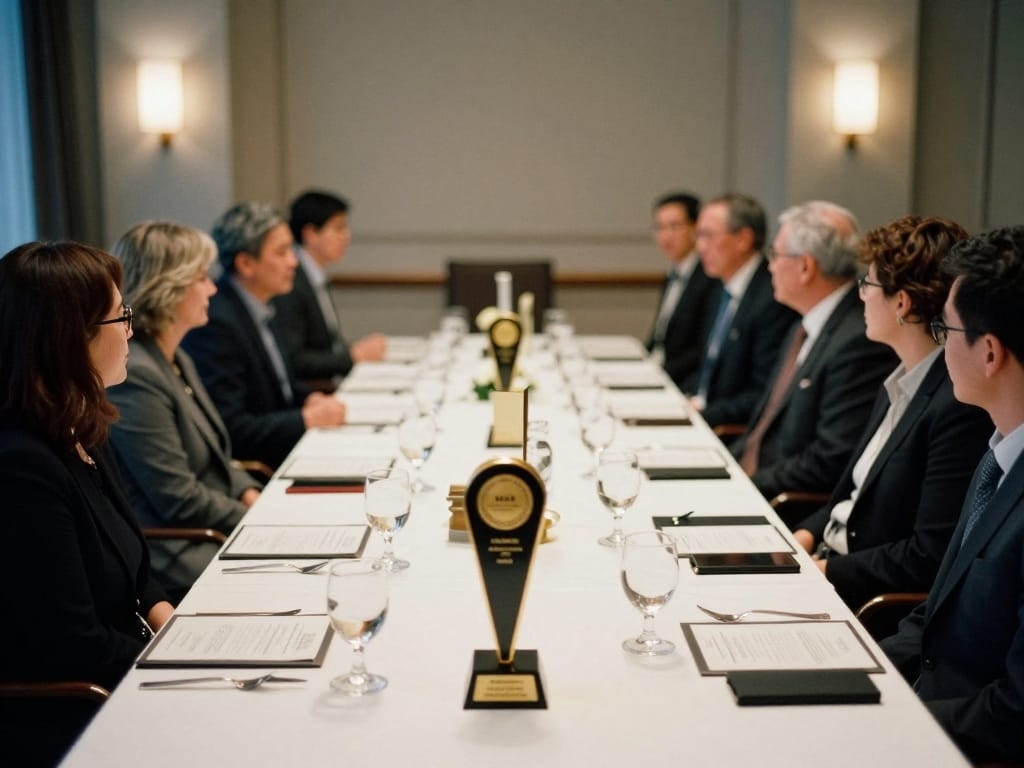
Program architecture plays a crucial role in fostering long careers within organizations. By designing systems that are scalable, adaptable, and user-friendly, companies can create an environment where employees feel supported and motivated to stay for the long term. This approach not only enhances employee satisfaction but also contributes to organizational stability and success.
One of the primary benefits of robust program architecture is its ability to facilitate continuous learning and development. When systems are well-structured, employees can easily access training resources, career development programs, and mentorship opportunities. This ongoing support helps individuals grow their skills and advance within the company, leading to increased job satisfaction and retention.
Moreover, effective program architecture ensures that recognition and rewards systems are fair and transparent. Employees are more likely to remain committed to an organization when they feel their contributions are acknowledged and valued. A well-designed architecture can automate and streamline these processes, making it easier for HR to implement and manage recognition programs that celebrate years of service and outstanding performance.
From an organizational perspective, investing in strong program architecture can lead to significant cost savings. High employee turnover is expensive, involving costs related to recruitment, training, and lost productivity. By creating an environment that supports long-term careers, companies can reduce turnover rates and retain institutional knowledge and experience.
In summary, program architecture is essential for supporting long careers. It benefits employees by providing growth opportunities and recognition, and it benefits organizations by promoting stability, reducing turnover, and enhancing overall performance.

Long careers are characterized by employees remaining with a single organization for an extended period, often spanning decades. This phenomenon is significant for several reasons. Firstly, long careers contribute to higher employee satisfaction. When employees feel valued and see a clear path for growth within the company, they are more likely to remain committed. This satisfaction stems from a sense of belonging and the accumulation of benefits, both tangible and intangible, that come with prolonged service.
Retention is another critical aspect influenced by long careers. Companies that foster an environment conducive to long-term employment experience lower turnover rates. This stability reduces the costs associated with recruitment and training, allowing organizations to maintain a skilled and experienced workforce. Moreover, long-tenured employees often become mentors to newer staff, facilitating knowledge transfer and enhancing overall team performance.
Organizational stability is greatly enhanced by long careers. Employees who have been with the company for many years possess institutional knowledge that is invaluable. They understand the company's culture, history, and nuances, which aids in navigating complex situations and making informed decisions. This continuity ensures that the organization can adapt to changes while preserving its core values and mission.
In summary, long careers are beneficial for employee satisfaction, retention, and organizational stability. Companies that recognize and support long-term employees create a positive work environment that encourages loyalty and sustained contribution, ultimately leading to a more stable and successful organization.
Q: How can companies effectively recognize long-term employees?
A: Companies can recognize long-term employees through various methods such as awards ceremonies, public acknowledgments, special bonuses, and career development opportunities. Implementing a structured years of service recognition program can also help in systematically honoring employees' contributions and loyalty.
Recognition systems are vital for acknowledging employees' long-term contributions and dedication. These systems should include formal awards, public acknowledgments, and personalized recognition events. By celebrating milestones such as anniversaries and significant achievements, companies foster a culture of appreciation. This not only motivates current employees but also attracts potential talent who value recognition. Effective recognition systems enhance employee morale and retention, crucial for long careers.
Providing continuous development opportunities is essential for supporting long careers. This includes access to training programs, workshops, and mentorship initiatives. Employees should have clear pathways for skill enhancement and career progression. Investing in professional growth demonstrates a commitment to employee potential, encouraging loyalty and long-term engagement. Development opportunities also help employees adapt to changing industry demands, ensuring their skills remain relevant.
Establishing robust support networks is critical for employee well-being and longevity. This can involve creating employee resource groups, offering counseling services, and facilitating peer support systems. A strong support network helps employees navigate challenges and maintain work-life balance. It also promotes a sense of community and belonging, which is vital for sustained career satisfaction. Companies that prioritize support networks see higher employee retention and job satisfaction rates.
Implementing effective feedback mechanisms allows employees to voice their concerns and suggestions. Regular surveys, one-on-one meetings, and open-door policies facilitate continuous communication. Constructive feedback helps identify areas for improvement and demonstrates that employee opinions are valued. This ongoing dialogue fosters a collaborative environment where employees feel heard and empowered to contribute to their career growth.
Clear career pathways are essential for guiding employees through their long-term career journey. These pathways should outline potential roles, required skills, and performance expectations. Providing transparency in career progression helps employees set goals and work towards them. It also reduces uncertainty and enhances job satisfaction by offering a roadmap for future opportunities within the organization. Well-defined career pathways encourage employees to commit to long-term growth within the company.
Q: How can companies ensure their years of service recognition programs are effective?
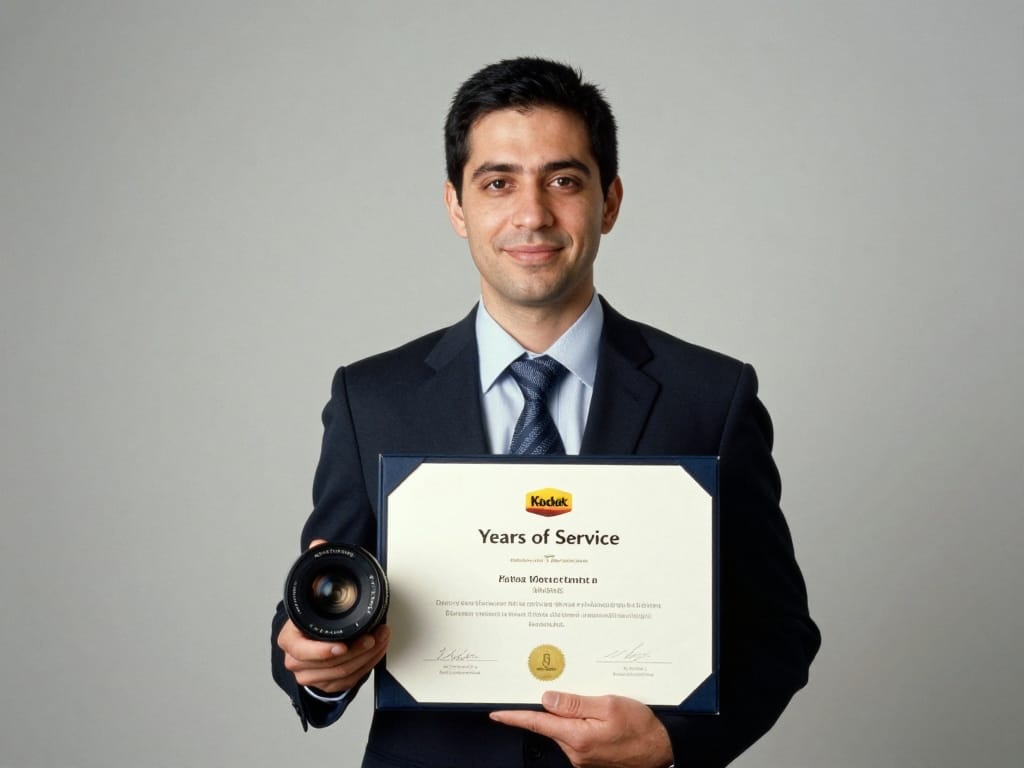
Designing and implementing recognition programs is essential for celebrating the long-term service, achievements, and contributions of employees. These programs not only boost morale but also foster a sense of belonging and loyalty among staff. To create an effective recognition program, it is crucial to understand the unique culture and values of your organization. Begin by identifying key milestones, such as years of service, significant project completions, or exceptional performance. These milestones should be clearly defined and communicated to all employees.
Ultimately, a well-designed recognition program serves as a powerful tool for retaining talent, enhancing job satisfaction, and promoting a positive workplace culture. By celebrating the hard work and dedication of employees, companies can cultivate a loyal and motivated workforce that is committed to long-term success.
Incorporate a variety of recognition methods to cater to different preferences. Some employees may appreciate public acknowledgments, such as announcements in company newsletters or during meetings, while others might value private gestures like personalized letters or one-on-one meetings with senior management. Consider offering tangible rewards, such as gift cards, extra vacation days, or professional development opportunities, to further incentivize long-term commitment.
Engage employees in the recognition process by soliciting their input on what types of rewards and acknowledgments they find most meaningful. This inclusive approach ensures that the program resonates with a diverse workforce. Additionally, establish a consistent review cycle to assess the effectiveness of the recognition program and make necessary adjustments. This could involve gathering feedback through surveys or focus groups to understand what is working well and where improvements can be made.
Implementing clear career progression pathways is essential for fostering employee growth, skill development, and long-term commitment within an organization. By establishing well-defined career trajectories, companies can provide employees with a roadmap for advancement, making it easier for them to understand the steps required to reach higher levels of responsibility and achievement. This clarity not only motivates employees but also helps in retaining talent by demonstrating a commitment to their professional development.
To create effective career pathways, organizations should start by conducting a thorough analysis of existing roles and responsibilities. This analysis will help identify the skills and competencies required for each position, allowing HR to develop training programs and mentorship opportunities that align with career goals. Additionally, regular performance reviews and feedback sessions are crucial for employees to understand their progress and areas for improvement.
Another key element is the promotion of a culture of continuous learning. Encouraging employees to pursue further education, attend workshops, and gain certifications relevant to their field can significantly enhance their skill sets and prepare them for future roles. Moreover, providing opportunities for cross-functional projects and job rotations can help employees gain a broader understanding of the organization, making them more versatile and valuable assets.
Recognizing and rewarding long-term service is also vital. Implementing a years of service recognition program can reinforce the value of loyalty and dedication, further encouraging employees to commit to the organization for the long haul. By integrating these strategies, companies can create a supportive environment that not only retains top talent but also nurtures their growth and development over the years.
To sustain long careers within an organization, it is imperative to implement robust support systems that cater to the evolving needs of employees. Mentorship programs play a crucial role in this regard, offering guidance, knowledge transfer, and career development opportunities. By pairing experienced employees with newer staff, organizations can foster a culture of continuous learning and professional growth. This not only enhances individual performance but also ensures the retention of institutional knowledge.
Wellness programs are another essential component. These programs should address both physical and mental health, offering resources such as fitness challenges, mental health days, and access to counseling services. By prioritizing employee well-being, organizations can reduce burnout, increase job satisfaction, and promote a healthier work-life balance.
Key Benefits of Flexible Work Arrangements:
Flexible work arrangements are increasingly important in today's dynamic work environment. Offering options such as remote work, flexible hours, and job-sharing can help employees manage their professional and personal responsibilities more effectively. This flexibility not only attracts top talent but also retains valuable employees who might otherwise leave due to inflexible work conditions.
In conclusion, by integrating mentorship, wellness programs, and flexible work arrangements, organizations can create a supportive environment that encourages long-term career growth and satisfaction. This proactive approach not only benefits employees but also contributes to the overall success and stability of the organization.
To ensure that a program architecture effectively supports long careers, it is crucial to establish clear metrics and evaluation methods. These metrics should be designed to assess various aspects of the program, such as employee engagement, retention rates, career progression, and overall job satisfaction. By collecting and analyzing data related to these metrics, HR professionals can gain valuable insights into the program's effectiveness and identify areas for improvement.
One key metric to consider is employee retention rates. By tracking the number of employees who remain with the company over an extended period, HR can gauge the program's success in fostering long-term commitment. Additionally, monitoring career progression metrics, such as the number of promotions or lateral moves within the organization, can provide insights into the program's ability to support employees' professional growth.
Furthermore, gathering feedback from employees through surveys or interviews can offer qualitative data on their experiences with the program. This feedback can help HR identify any gaps or challenges that may hinder the program's effectiveness and make necessary adjustments.
Regular evaluation of these metrics allows HR to make data-driven improvements to the program architecture. By analyzing the collected data, HR can identify trends, patterns, and areas where the program may be falling short. This information can then be used to implement targeted interventions, such as additional training and development opportunities, mentorship programs, or revised recognition initiatives.
In conclusion, establishing metrics and evaluation methods is essential for assessing the effectiveness of program architecture in supporting long careers. By collecting and analyzing relevant data, HR professionals can make informed decisions and continuously improve the program to better meet the needs of employees and foster long-term commitment within the organization.
Examining successful examples from organizations that have effectively implemented program architecture for long careers reveals valuable insights and best practices. Companies like IBM and General Electric have long been recognized for their commitment to employee longevity. IBM, for instance, has a robust program that includes continuous learning and development opportunities, mentorship programs, and clear career progression pathways. This approach not only retains talent but also ensures that employees remain engaged and motivated throughout their careers.
General Electric's program architecture emphasizes a culture of innovation and inclusion, providing employees with the tools and resources needed to adapt to changing industry landscapes. Their initiatives include regular skill assessments, cross-functional training, and leadership development programs. These practices help employees stay relevant and contribute meaningfully to the organization over the long term.
Another best practice is the implementation of recognition programs that celebrate long-term service. Companies like Procter & Gamble have established awards and ceremonies that honor employees who have dedicated many years to the organization. This not only boosts morale but also reinforces a culture of loyalty and commitment.
In summary, successful program architectures for long careers are characterized by a combination of continuous learning, clear career pathways, a culture of innovation, and recognition of long-term service. These elements work together to create an environment where employees are motivated to stay, grow, and contribute to the organization's success over many years.

Talent management (TM) is the expectancy of needed human funding for an organization, and the planning to meet those demands. The area has actually been expanding in importance, and getting rate of interest among experts in addition to in the academic argument over the previous ten years since 2020, particularly after McKinsey's 1997 research and the 2001 publication on The War for Skill. Although much of the previous research concentrated on exclusive business and organizations, TM is now additionally found in public organizations. Skill monitoring in this context does not describe the monitoring of artists. Talent administration is the scientific research of utilizing critical human resource preparing to enhance company value and to make it feasible for business and companies to reach their objectives. Every little thing done to recruit, maintain, establish, compensate and make individuals carry out kinds a component of talent management along with critical workforce preparation. A talent-management approach ought to link to service approach and to local context to operate even more suitably (Tyskbo, 2019).
.Society (KUL-chəə r) is a principle that encompasses the social behavior, institutions, and standards located in human cultures, in addition to the expertise, beliefs, arts, regulations, customs, abilities, attitudes, and routines of the individuals in these teams. Society usually stems from or is credited to a specific region or location. Human beings obtain culture with the discovering procedures of enculturation and socialization, which is shown by the diversity of societies throughout cultures. A cultural standard orders acceptable conduct in society; it works as a standard for actions, dress, language, and demeanor in a scenario, which works as a design template for expectations in a social team. Approving just a monoculture in a social team can bear risks, equally as a single types can wither despite ecological adjustment, for absence of functional actions to the change. Hence in army society, valor is counted as a common habits for an individual, and task, honor, and commitment to the social team are counted as virtues or useful reactions in the continuum of conflict. In faith, comparable characteristics can be identified in a social group. Social adjustment, or repositioning, is the restoration of a social principle of a society. Societies are internally impacted by both forces encouraging adjustment and pressures withstanding adjustment. Cultures are externally impacted by means of contact between societies. Organizations like UNESCO attempt to preserve culture and cultural heritage.
.A company is a legal entity that stands for an association of lawful persons with a particular, common objective, such as the earning of profit or the advantage of society. Depending on territory, business can take on various kinds, such as voluntary associations, not-for-profit companies, service entities, monetary entities, financial institutions, and universities. Throughout jurisdictions, firms have normally progressed to have specific typical lawful features, including different lawful personality, limited obligation, transferable shares, capitalist possession, and a supervisory hierarchy. Depending upon territory, the term "company" might or might not be identified with corporation, collaboration, company and culture. Business are governed by company law, which is also called business law in some territories. Integrated companies are produced by and registered with the state, whereas unincorporated companies are not. When a firm closes, it may require to be sold off to prevent further lawful responsibilities. Business may connect and jointly register themselves as new business called corporate groups, collections of moms and dad and subsidiary companies.
.