
Manager behaviors play a crucial role in supporting long careers within an organization. When managers exhibit positive behaviors, they create an environment where employees feel valued, motivated, and committed to their roles. This not only enhances employee satisfaction but also reduces turnover rates, leading to a more stable and experienced workforce. Key behaviors include providing regular feedback, offering opportunities for growth and development, recognizing achievements, and fostering a culture of open communication.
HR departments are instrumental in fostering these environments. They can implement training programs to help managers develop the necessary skills to support long-term employee retention. Additionally, HR can create policies that encourage managers to engage in behaviors that promote career longevity. This might include performance management systems that reward managers for employee development and retention, as well as providing resources for continuous learning and development.
Key Facts About Manager Behaviors and Long-Term Employee Retention:
Moreover, HR can play a role in recognizing and celebrating long-service employees, which sends a powerful message about the value the organization places on tenure and experience. By aligning manager behaviors with the company's long-term goals, HR can create a culture that not only attracts but also retains top talent over the years. This symbiotic relationship between manager behaviors and HR strategies is essential for building a workforce that thrives on stability and growth.

Long careers within an organization are characterized by employees remaining with a company for an extended period, often spanning decades. This phenomenon is significant for several reasons. Firstly, employee retention is a critical factor in maintaining organizational stability and continuity. When employees stay with a company for a long time, they accumulate valuable institutional knowledge and experience, which can be instrumental in driving the company's success. This retention of talent reduces the need for constant recruitment and training, which can be both time-consuming and costly.
Moreover, long careers contribute positively to company culture. Employees who have been with the organization for many years often become mentors and leaders, guiding newer employees and fostering a sense of community and shared purpose. This continuity helps in building a strong corporate culture that values loyalty, dedication, and growth. Additionally, long-tenured employees can serve as ambassadors for the company's values and mission, enhancing its reputation both internally and externally.
Recognizing and supporting long careers also sends a powerful message to current and prospective employees about the company's commitment to its workforce. It demonstrates that the organization values long-term contributions and is invested in the professional growth and well-being of its employees. This can lead to increased job satisfaction and engagement, further reinforcing the positive cycle of retention and cultural enrichment.
Q: How can managers support long careers within their teams?
A: Managers can support long careers by recognizing and celebrating years of service, providing opportunities for professional growth and development, fostering a positive and inclusive work environment, and ensuring that long-tenured employees feel valued and appreciated for their contributions.
Providing mentorship opportunities is crucial for employee longevity. Managers who take the time to mentor their team members help them develop essential skills and navigate their career paths more effectively. This not only boosts employee confidence but also fosters a sense of loyalty and commitment to the organization. Regular one-on-one sessions can address individual challenges and aspirations, ensuring that employees feel supported and valued. Moreover, mentorship can lead to a more cohesive team dynamic, as experienced employees share their knowledge with newer team members.
Implementing consistent recognition practices is another vital manager behavior that supports long careers. When employees feel acknowledged for their hard work and achievements, they are more likely to remain engaged and committed to the company. Recognition can take many forms, from public acknowledgments in meetings to formal awards and bonuses. This not only motivates employees but also sets a positive example for others, fostering a culture of appreciation and excellence. Managers should make it a point to recognize both individual and team accomplishments regularly.
Offering professional development programs is essential for retaining employees over the long term. Managers who invest in their team's growth through training sessions, workshops, and educational opportunities demonstrate a commitment to their employees' future success. This not only enhances the skills and knowledge of the workforce but also shows that the company values its employees' career progression. Development programs can range from technical skill training to leadership workshops, ensuring that employees have the tools they need to advance within the organization.
Establishing effective feedback mechanisms is another critical behavior for managers aiming to support long careers. Regular, constructive feedback helps employees understand their strengths and areas for improvement, facilitating continuous growth. Managers should create an environment where feedback is seen as a two-way street, encouraging employees to share their thoughts and suggestions as well. This open communication fosters trust and transparency, making employees feel more connected to their roles and the organization.
Promoting work-life balance is a manager behavior that significantly contributes to employee longevity. Managers who recognize the importance of a healthy work-life balance are more likely to retain employees who feel supported and less burned out. This can involve flexible working hours, remote work options, and encouraging time off when needed. By prioritizing work-life balance, managers help create a more sustainable and productive work environment, where employees can thrive both personally and professionally.
Q: How can HR implement a years of service recognition program effectively?
A: To implement a years of service recognition program effectively, HR should:

To foster long-term employment, managers must adopt strategies that create a supportive and inclusive work environment. Open communication is paramount; managers should encourage regular feedback sessions, ensuring that employees feel heard and valued. This can be achieved through one-on-one meetings, team discussions, and anonymous suggestion boxes. By maintaining transparent communication channels, managers can address concerns promptly and build trust within the team.
Inclusive practices are essential for cultivating a culture that values diversity and equity. Managers should strive to create an environment where all employees feel included, regardless of their background. This can be achieved through diversity training, inclusive hiring practices, and employee resource groups. By fostering an inclusive workplace, managers not only enhance employee satisfaction but also tap into a broader range of perspectives and ideas, driving innovation and growth.
Work-life balance is another critical factor. Managers should promote flexible working hours, remote work options, and adequate vacation time. Recognizing that employees have personal lives and responsibilities outside of work helps in reducing burnout and increasing job satisfaction. Implementing policies that support work-life balance demonstrates a commitment to the well-being of employees, making them more likely to stay with the company long-term.
Key Strategies for Managers:
In summary, by prioritizing open communication, work-life balance, and inclusive practices, managers can create a workplace culture that supports long-term employment and enhances overall organizational success.
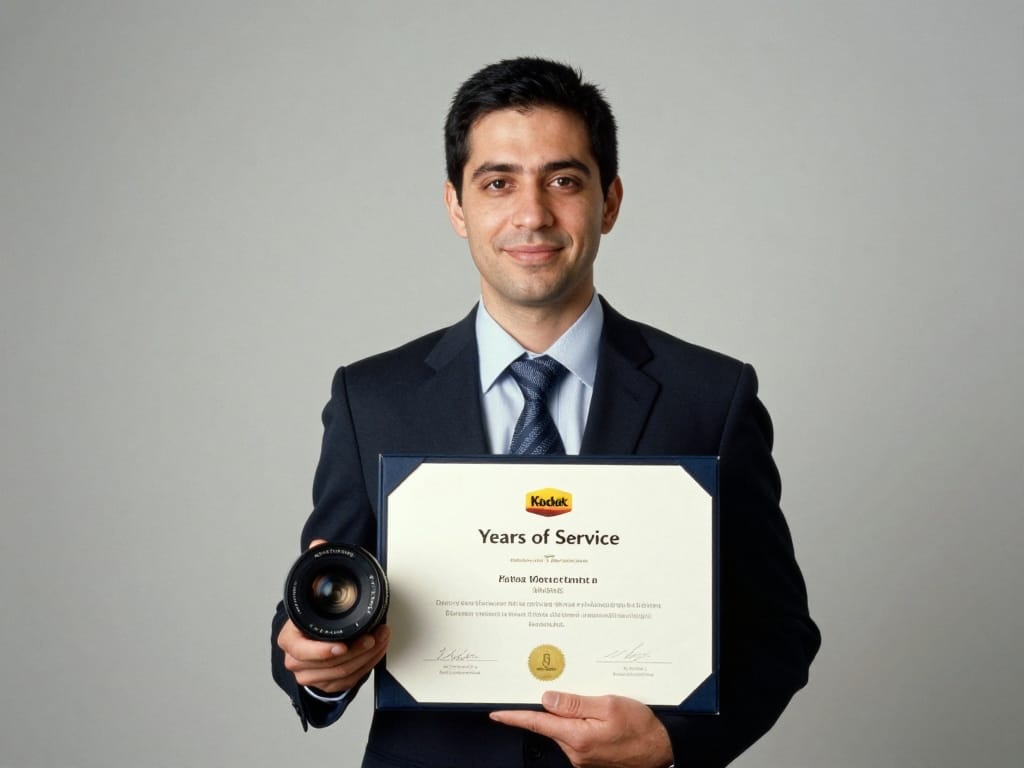
Designing and implementing effective recognition programs is crucial for acknowledging and rewarding employees for their long-term service and contributions. Such programs not only enhance employee morale but also foster a culture of appreciation and loyalty within the organization. To create a successful recognition program, it is essential to understand the unique contributions and milestones of each employee. This can be achieved by establishing clear criteria for recognition, such as years of service, exceptional performance, or significant project achievements.
Incorporating a variety of recognition methods can cater to different employee preferences and ensure that the program remains engaging. Monetary rewards, such as bonuses or gift cards, are a traditional approach, but non-monetary recognition, like public acknowledgment during meetings or personalized thank-you notes, can be equally impactful. Additionally, offering opportunities for professional growth, such as training programs or mentorship roles, can further motivate employees to continue their long-term commitment to the company.
Key Elements of Effective Recognition Programs:
Regularly reviewing and updating the recognition program is vital to ensure its relevance and effectiveness. Soliciting feedback from employees can provide valuable insights into what types of recognition they value most. Furthermore, involving managers and team leaders in the recognition process can enhance its authenticity and reach. By consistently recognizing and rewarding long-term service, companies can cultivate a positive work environment that encourages employees to remain dedicated and engaged throughout their careers.
In today's rapidly evolving business landscape, ongoing education and skill development are critical for career growth and longevity. Managers play a pivotal role in facilitating this process by creating an environment that encourages continuous learning. When employees are given the opportunity to expand their skill sets, they are better equipped to adapt to new challenges and contribute more effectively to the organization.
Managerial support is essential in this regard. By advocating for professional development opportunities, such as workshops, seminars, and online courses, managers can help employees stay current with industry trends and technologies. This not only enhances individual performance but also fosters a culture of innovation and adaptability within the organization.
Key Benefits of Continuous Learning:
Organizational investment in learning and development programs is equally important. Companies that allocate resources for employee training demonstrate a commitment to their workforce's long-term success. This can lead to increased job satisfaction, higher retention rates, and a more skilled workforce.
Moreover, when employees see that their organization values their growth, they are more likely to remain loyal and committed. This reciprocal relationship between employee development and organizational success underscores the importance of a proactive approach to learning and development. By prioritizing ongoing education, companies can ensure that their employees are well-prepared for the future, thereby supporting long and fulfilling careers.
In today's fast-paced corporate environment, several challenges can impede long careers, including burnout, career stagnation, and organizational changes. Burnout, characterized by chronic physical and emotional exhaustion, often results from prolonged stress and overwork. Career stagnation occurs when employees feel stuck in their roles with limited opportunities for growth or advancement. Organizational changes, such as mergers, restructuring, or shifts in company strategy, can also create uncertainty and disrupt career trajectories.
To support long careers, managers must proactively address these challenges. One effective strategy is to promote a healthy work-life balance. Encouraging regular breaks, setting realistic deadlines, and fostering a culture that values employee well-being can help prevent burnout. Additionally, managers should provide clear career development pathways. This includes offering training programs, mentorship opportunities, and regular performance reviews to help employees see a clear path for advancement, thereby reducing feelings of stagnation.
During periods of organizational change, transparent communication is crucial. Managers should keep employees informed about changes, their reasons, and how they will be implemented. This helps mitigate anxiety and uncertainty. Moreover, involving employees in the change process by seeking their input and feedback can increase their sense of ownership and commitment to the new direction.
By acknowledging and addressing these common challenges, managers can create a more supportive and resilient work environment that encourages long-term employee retention and satisfaction.
To effectively evaluate the impact of manager behaviors and recognition programs on promoting long careers, it is essential to employ a combination of qualitative and quantitative methods. Employee satisfaction surveys serve as a vital tool in this assessment. These surveys can be designed to gather insights into employees' perceptions of their managers' behaviors, the effectiveness of recognition programs, and overall job satisfaction. By analyzing the responses, HR professionals can identify patterns and areas for improvement. Additionally, open-ended questions can provide deeper insights into employees' experiences and suggestions for enhancing manager behaviors and recognition initiatives.
Retention metrics are another critical component in evaluating the effectiveness of these programs. Tracking employee turnover rates, particularly among long-tenured employees, can indicate whether recognition programs and positive manager behaviors are contributing to career longevity. Comparing retention rates before and after the implementation of new programs can provide valuable data on their impact. Furthermore, analyzing the reasons behind employee departures can help HR identify specific areas where manager behaviors or recognition efforts may need adjustment.
Incorporating both employee satisfaction surveys and retention metrics into the evaluation process allows HR professionals to gain a comprehensive understanding of the effectiveness of manager behaviors and recognition programs. This holistic approach ensures that efforts to promote long careers are data-driven and continuously improved based on employee feedback and performance metrics.

Turnover or turn over may refer to:
.Employee retention is the ability of an organization to retain its employees and ensure sustainability. Employee retention can be represented by a simple statistic (for example, a retention rate of 80% usually indicates that an organization kept 80% of its employees in a given period). Employee retention is also the strategies employers use to try to retain the employees in their workforce.
In a business setting, the goal of employers is usually to decrease employee turnover, thereby decreasing training costs, recruitment costs and loss of talent and of organisational knowledge. Some employers seek "positive turnover" whereby they aim to maintain only those employees whom they consider to be high performers.
Studies have shown that cost related to directly replacing an employee can be as high as 50–60% of the employee's annual salary, but the total cost of turnover can reach as high as 90–200% of the employee's annual salary.[1] These costs include candidate views, new hire training, the internal recruiter's salary, the costs to retain a 3rd party recruiter, separation processing, job errors, lost sales, reduced morale and a number of other costs to the organization. Turnover also affects organizational performance. High-turnover industries such as retailing, food services, call centres, elder-care nurses, and salespeople make up almost a quarter of the United States population. Replacing workers in these industries is less expensive than in other, more stable, employment fields but costs can still reach over $500 per employee.[2] As of November 2022, Gallup found that 49% of U.S. employees were watching for or actively seeking a new job.[3]
An alternative motivation theory to Maslow's hierarchy of needs is the motivator-hygiene (Herzberg's) theory. While Maslow's hierarchy implies the addition or removal of the same need stimuli will enhance or detract from the employee's satisfaction, Herzberg's findings indicate that factors garnering job satisfaction are separate from factors leading to poor job satisfaction and employee turnover. Herzberg's system of needs is segmented into motivators and hygiene factors. Hygiene factors include expected conditions that if missing will create dissatisfaction. Examples of hygiene factors include bathrooms, lighting, and the appropriate tools for a given job. Employers must utilize positive reinforcement methods while maintaining expected hygiene factors to maximize employee satisfaction and retention.[4]
Flexible work arrangements (FWAs) involve adapting an organization's work system to become more flexible, which may include adjusting how tasks are distributed among employees or allowing staff to set their own working hours and location. Although FWAs existed before the COVID-19 pandemic, the use of FWAs surged during the pandemic. According to a 2023 OECD report, almost all public sector organizations in OECD countries implemented flexible working arrangements, at least in the form of part-time work and flextime.[5]
FWAs were found to have a positive impact on employee retention and also organizational productivity in a 2022 study.[6]
FWAs increase flexibility in when, where, and sometimes how employees work. As a result, employees with higher autonomy tend to value their jobs more, experience greater happiness and job satisfaction, and are more likely to stay with their employer.[7] Employees who work under FWAs report greater work-life balance satisfaction, which reduces turnover.[8]
FWAs can sometimes negatively impact employee retention.[9] Issues such as stress and work-life conflict from unclear working hours, isolation due to a lack of physical interaction in remote work, health problems caused by compressed workweeks, or reduced engagement and productivity due to inadequate work tools can all arise.
A large-scale field experiment by Bloom, Han, and Liang (2024) found that employees offered a hybrid schedule—three days in the office and two days at home—were 35 percent less likely to quit over a two-year period than those required to work on-site full-time.[10]
In September 2024 the New Zealand Government issued updated guidance for public service agencies stating that working from home "is not an entitlement" and must be mutually agreed between employer and employee. The guidance requires that remote arrangements "must not compromise employee performance or the objectives of the agency," and directs agencies to monitor and report the number and type of agreements to the Public Service Commission, which will publish the data for transparency.[11]
Equity considerations further complicate retention outcomes. Hybrid policies can inadvertently favor employees with suitable home office environments and high-speed internet, while disadvantaging those in small or shared living spaces. Research also shows gendered effects: hybrid work can help retain women with caregiving responsibilities, yet some women report slower advancement when working remotely more frequently than male colleagues.[12]
To maximize the retention advantages of remote and hybrid models, a report from McKinsey recommend clear performance metrics, regular virtual check-ins, and intentional efforts to maintain organizational culture. [13]
Artificial Intelligence (AI) tools have been used to analyze employee performance metrics to attempt to identify patterns that may indicate potential turnover.[14][15]
HR analytics has been used to identify the root causes of employee attrition.[16][17]
Diversity, equity, and inclusion (DEI) initiatives are designed to promote equity, combat discrimination, and provide support for diverse employee needs. Research conducted by Ashikali and Groeneveld in 2015 established that the positive effect of diversity management on employee commitment is often mediated by the inclusiveness of the organizational culture and the role of transformational leadership.[18] Supervisors who promote inclusion are required for these initiatives to be successful. Trochmann, Stewart, and Ragusa (2023) found that positive perceptions of diversity and inclusion were significantly associated with higher levels of job satisfaction and overall workplace happiness in racially diverse agencies.[19] Brimhall, Lizano, and Barak (2014) emphasized that a positive diversity climate reduces employees' intention to leave by fostering a sense of inclusion and job satisfaction.[20]
Ritz and Alfes (2018) showed that in multilingual public administrations, employees' attachment to their jobs increased when their supervisors actively supported diversity and fostered an inclusive environment.[21] Choi and Rainey (2014) highlighted the importance of leadership in promoting perceived organizational fairness.[22]
cite journal: CS1 maint: multiple names: authors list (link)cite journal: CS1 maint: DOI inactive as of September 2025 (link)