
In today's fast-paced corporate environment, the significance of design choices in shaping employee perception cannot be overstated. As organizations strive to create meaningful years of service recognition programs, understanding the impact of design elements becomes crucial. Design choices, ranging from the aesthetics of awards to the overall presentation of recognition events, play a pivotal role in how employees perceive and value these initiatives.
When employees are recognized for their years of service, the design of the recognition program can significantly influence their sense of appreciation and belonging. A well-designed program not only acknowledges their hard work and dedication but also fosters a positive workplace culture. Employees are more likely to feel valued and motivated when the recognition they receive is thoughtfully crafted and presented.
Moreover, design choices extend beyond physical awards; they encompass the entire experience of the recognition process. From the moment an employee is notified of their recognition to the way it is celebrated within the organization, every detail contributes to their overall perception. A cohesive and aesthetically pleasing design can enhance the emotional impact of the recognition, making it a memorable and meaningful experience.
One crucial HR priority is to boost long-term staff engagement to stabilize human capital..In conclusion, as HR professionals seek to implement effective years of service recognition programs, they must consider the profound influence of design choices. By investing time and effort into crafting a recognition program that resonates with employees on a visual and emotional level, organizations can cultivate a culture of appreciation and loyalty that benefits both employees and the company as a whole.

Employee perception is a multifaceted concept that encompasses how employees interpret and make sense of their work environment, organizational culture, and interactions with colleagues and management. It is influenced by various factors, including communication practices, workplace design, recognition programs, and overall company values. Understanding and managing employee perception is crucial for fostering a positive workplace dynamic and enhancing employee satisfaction.
When employees perceive their workplace positively, they are more likely to be engaged, motivated, and committed to their roles. This positive perception can lead to increased productivity, lower turnover rates, and a more cohesive team environment. Conversely, negative perceptions can result in disengagement, higher stress levels, and a decline in overall job satisfaction.
Workplace dynamics are significantly impacted by employee perception. For instance, if employees feel valued and recognized for their contributions, they are more likely to collaborate effectively and support one another. On the other hand, a perception of favoritism or lack of transparency can lead to conflicts and a toxic work environment.
To influence employee perception positively, organizations must focus on creating an inclusive and communicative culture. This involves ensuring that employees feel heard, appreciated, and part of the decision-making process. Regular feedback, transparent communication, and meaningful recognition programs are essential components in shaping a positive employee perception. By prioritizing these elements, companies can cultivate a workplace where employees feel valued and motivated, ultimately leading to improved satisfaction and performance.
Color psychology plays a crucial role in how employees perceive their work environment. Different colors evoke various emotions and can influence mood and productivity. For instance, blue often promotes calmness and creativity, while red can stimulate energy but may also induce stress. Understanding these associations allows HR professionals to design recognition programs that resonate emotionally with employees, enhancing their overall experience and satisfaction.
The layout of a recognition program can significantly affect how employees engage with it. A well-organized layout ensures that important information is easily accessible and digestible. This clarity can lead to higher participation rates and a more positive perception of the program. Conversely, a cluttered or confusing layout may deter employees, making them less likely to engage with the recognition efforts.
Aesthetic appeal is another critical factor in shaping employee perception. A visually pleasing design can create a sense of pride and belonging among employees. When recognition materials are aesthetically appealing, employees are more likely to value and appreciate them. This can foster a positive workplace culture and encourage continued engagement with the recognition program.
Aligning the design elements with the company's brand can enhance the perceived value of the recognition program. When the program's design reflects the company's values and identity, employees are more likely to feel connected to it. This alignment can strengthen the overall impact of the recognition efforts, making employees feel more valued and recognized for their contributions.
Cultural sensitivity in design is essential for a diverse workforce. Recognizing and incorporating cultural elements into the design can make employees from various backgrounds feel included and respected. This thoughtful approach not only enhances the perception of the recognition program but also promotes a more inclusive workplace culture, where all employees feel valued and recognized.
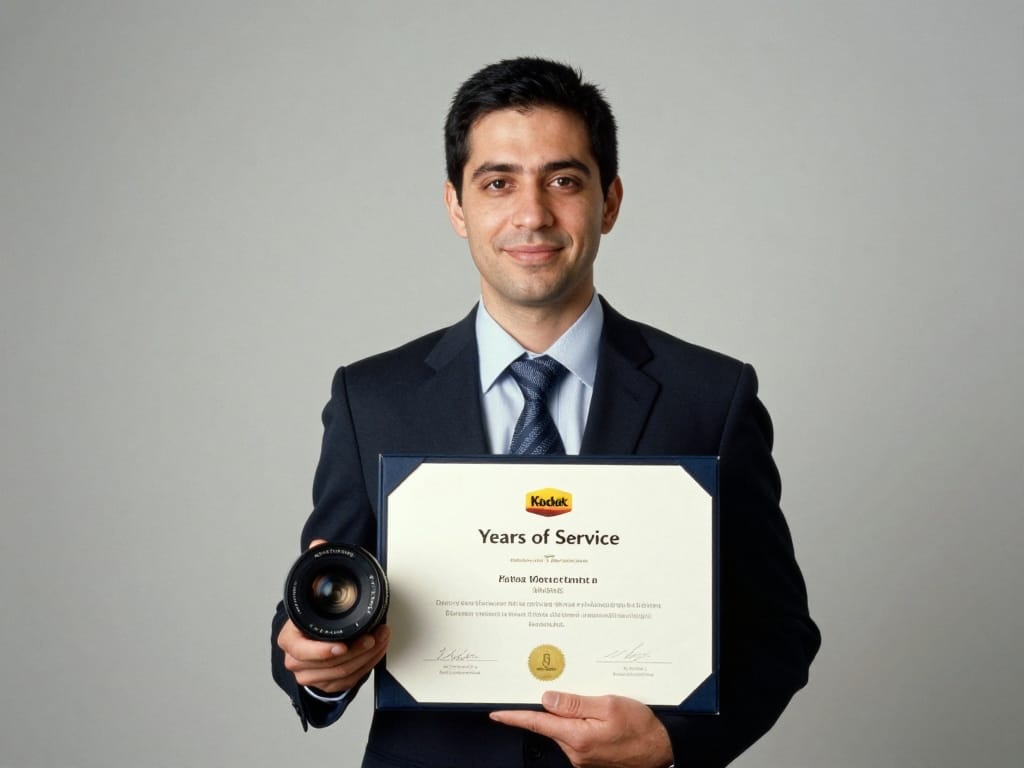
In today's corporate landscape, the influence of design choices on employee perception cannot be overstated. Consider the case of a multinational tech company that revamped its office layout. By transitioning from traditional cubicles to an open-plan design with collaborative workspaces, the company aimed to foster a more inclusive and innovative environment. Employees reported feeling more connected to their colleagues, leading to a 15% increase in cross-departmental projects within the first year. This shift not only enhanced collaboration but also improved overall job satisfaction.
Additionally, a retail corporation implemented a digital recognition program to acknowledge employee achievements. The program's intuitive design and seamless integration with the company's intranet ensured high engagement rates. Employees appreciated the timely and public acknowledgment of their efforts, which in turn boosted morale and encouraged a culture of excellence. These real-world examples underscore the profound impact that thoughtful design choices can have on employee perception and organizational outcomes.
Another compelling example is a financial services firm that introduced a vibrant color scheme and ergonomic furniture in its offices. The design was intended to reduce stress and create a more welcoming atmosphere. Post-implementation surveys revealed a 20% decrease in reported stress levels among employees, alongside a notable improvement in productivity metrics. The firm's commitment to a well-designed workspace signaled to employees that their well-being was a priority, thereby strengthening their loyalty to the company.

When creating years of service recognition programs, it is essential to consider specific strategies and design elements that will resonate with employees. First, personalization is key. Tailoring recognition to individual preferences and achievements can significantly enhance the program's impact. This might involve offering a choice of rewards, such as gift cards, extra vacation days, or professional development opportunities. Additionally, incorporating peer recognition can amplify the sense of community and shared achievement within the organization.
Another critical consideration is the timing and frequency of recognition. Milestone anniversaries, such as 5, 10, and 20 years of service, should be celebrated with meaningful events or gestures. Regular check-ins and smaller acknowledgments for shorter service periods can maintain ongoing engagement and appreciation.
The physical and digital spaces where recognition occurs also play a vital role. Utilizing both in-person ceremonies and digital platforms can ensure that remote and in-office employees feel equally valued. Creating a dedicated online space where employees can share their experiences and congratulations can foster a culture of recognition.
Lastly, soliciting feedback from employees about what types of recognition they value most can provide invaluable insights. This iterative approach ensures that the program remains relevant and effective over time. By thoughtfully integrating these strategies and design considerations, companies can create a years of service recognition program that truly resonates with their employees.
To effectively gauge the impact of design choices on employee perception and engagement within recognition programs, HR professionals should employ a combination of qualitative and quantitative methods. Surveys and questionnaires can provide valuable insights into employee sentiments regarding the design elements of recognition programs. These tools should be crafted to elicit detailed feedback on various aspects such as the clarity of recognition criteria, the perceived fairness of the process, and the overall aesthetic appeal of the recognition materials.
Additionally, focus groups can offer a more in-depth understanding of employee perceptions. By facilitating discussions among a diverse group of employees, HR can uncover nuanced opinions and uncover any underlying issues that may not surface in a survey. Observing employee interactions with recognition programs in real-time can also yield critical data. This might involve tracking engagement metrics such as the frequency of participation, the level of enthusiasm displayed during recognition events, and the overall uptake of recognition opportunities.
Key Metrics for Evaluation:
Furthermore, analyzing performance data before and after the implementation of a redesigned recognition program can help quantify its impact. Metrics such as employee retention rates, productivity levels, and overall job satisfaction scores can provide concrete evidence of the program's effectiveness. By continuously monitoring these metrics, HR can make data-driven decisions to refine and enhance the recognition program, ensuring it remains aligned with employee expectations and organizational goals.
Implementing design-driven strategies in recognition programs can significantly enhance employee perception and engagement. To begin with, personalization is key. Tailor recognition efforts to individual preferences and achievements. Utilize data analytics to understand what motivates different segments of your workforce. This could involve creating custom awards, personalized messages, or even tailored experiences that resonate with employees on a personal level.
Incorporate visual elements that reflect your company's culture and values. Design recognition materials—whether digital or physical—that align with your brand identity. This consistency helps reinforce the company's mission and values, making the recognition feel more authentic and meaningful.
Another best practice is to make recognition a regular, ongoing process rather than a one-time event. Implement a tiered recognition system that acknowledges both small milestones and significant achievements. This could include monthly shout-outs, quarterly awards, and annual celebrations. Consistency in recognition helps maintain a positive work environment and keeps employees motivated.
Engage employees in the design process. Solicit feedback on what types of recognition they value most. This not only makes the program more effective but also fosters a sense of ownership and involvement among staff. Consider creating a recognition committee that includes representatives from various departments to ensure diverse perspectives are considered.
Lastly, leverage technology to streamline and enhance your recognition program. Use recognition platforms that allow for easy nomination, voting, and announcement of awards. These tools can make the process more efficient and inclusive, ensuring that all employees have an opportunity to participate and be recognized. By thoughtfully integrating these design-driven strategies, HR professionals can create a more impactful and meaningful recognition program.

Retention rate is a statistical dimension of the proportion of people that remain entailed with a team from one-time duration to one more. The idea is made use of in many contexts, including advertising, financial investment, education and learning, staff member management, study, and professional tests. The specific meaning depends upon the context. As a general policy, high retention represents a favorable result. In advertising, retention rate count clients and their task irrespective deals they make. In a survey of virtually 200 senior advertising and marketing supervisors, 63 percent responded that they located the "retention price" statistics really valuable.
.Culture (KUL-chəə r) is an idea that incorporates the social actions, organizations, and standards found in human societies, in addition to the understanding, beliefs, arts, regulations, customs, abilities, mindsets, and practices of the people in these groups. Society often stems from or is credited to a specific area or area. Humans obtain culture with the finding out processes of enculturation and socializing, which is shown by the diversity of cultures across cultures. A cultural norm codifies appropriate conduct in society; it functions as a guideline for behavior, outfit, language, and demeanor in a scenario, which works as a template for expectations in a social team. Approving just a monoculture in a social team can bear threats, equally as a single types can perish in the face of ecological modification, for absence of functional reactions to the adjustment. Therefore in military society, valor is counted as a regular actions for an individual, and obligation, honor, and loyalty to the social team are counted as merits or useful reactions in the continuum of conflict. In faith, comparable attributes can be identified in a social group. Cultural modification, or repositioning, is the reconstruction of a cultural principle of a culture. Societies are internally affected by both pressures encouraging adjustment and pressures withstanding adjustment. Societies are externally influenced via get in touch with between societies. Organizations like UNESCO effort to protect society and cultural heritage.
.