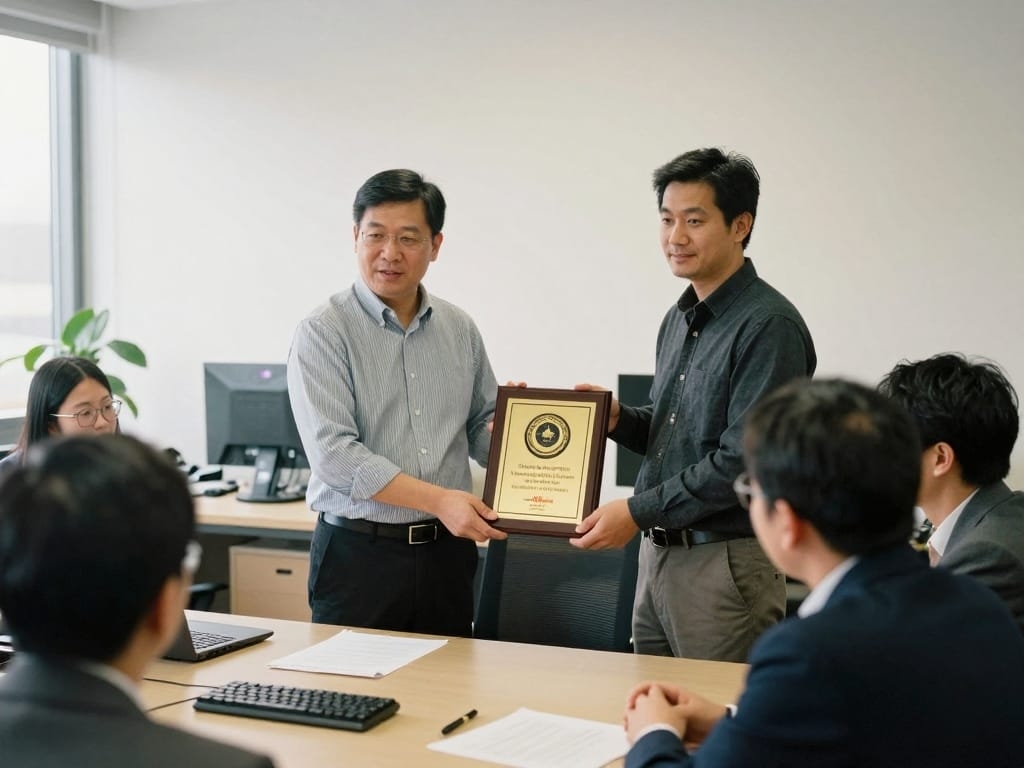
Recognizing employee tenure is a crucial aspect of fostering a positive workplace culture. It not only acknowledges the hard work and dedication of employees but also reinforces their commitment to the organization. Supervisors play a pivotal role in this process, as they are often the first line of communication between employees and management. One crucial HR priority is to enhance employee retention which directly reduces staff turnover.. By empowering supervisors to celebrate tenure, companies can create a more engaged and loyal workforce.
Supervisors are in a unique position to understand the contributions of their team members. When they take the initiative to recognize tenure, it sends a powerful message that the company values long-term commitment and effort. This can lead to increased job satisfaction and a stronger sense of belonging among employees.
The benefits of recognizing employee tenure extend beyond individual morale. Organizations that implement effective tenure recognition programs often see improved retention rates, as employees feel more appreciated and connected to their workplace. Additionally, such programs can enhance the company's reputation as an employer of choice, attracting top talent who are looking for a supportive and appreciative work environment.
In conclusion, empowering supervisors to celebrate tenure is a strategic move that can yield significant benefits for both employees and the organization. It fosters a culture of appreciation, enhances employee engagement, and contributes to a more stable and productive workforce.

Employee tenure refers to the length of time an individual has been employed by a company. It is a critical aspect of an organization's culture and plays a significant role in employee recognition and retention strategies. Tenure signifies an employee's commitment, loyalty, and contribution to the company over the years. Recognizing and celebrating tenure can enhance employee morale, foster a sense of belonging, and encourage long-term engagement.
In the workplace, tenure is more than just a measure of time; it represents the accumulation of knowledge, skills, and experiences that employees bring to their roles. Long-tenured employees often become invaluable assets, serving as mentors to newer staff and embodying the company's values and culture. Their deep understanding of the organization can lead to improved productivity and innovation.
Common tenure milestones typically celebrated in organizations include 5, 10, 15, 20, and 25 years of service. Each milestone is an opportunity to acknowledge the employee's dedication and contributions. For instance, reaching a 5-year milestone might be celebrated with a small gift or a lunch, while a 20-year milestone could warrant a more significant recognition, such as a plaque or a special event. These celebrations not only honor the individual but also reinforce the company's commitment to valuing long-term service.
Key Benefits of Celebrating Tenure
By empowering supervisors to celebrate tenure, companies can create a more inclusive and appreciative work environment. Supervisors play a crucial role in recognizing their team members' achievements and can help make tenure milestones meaningful and memorable. This practice not only boosts employee satisfaction but also encourages a culture of recognition and appreciation within the organization.
Supervisors hold a pivotal role in the recognition of employee tenure, as their acknowledgment can significantly impact employee morale and retention. When supervisors actively participate in celebrating years of service, it sends a powerful message about the company's values and commitment to its workforce. This recognition not only validates the hard work and dedication of long-term employees but also fosters a culture of appreciation and loyalty within the organization. Moreover, it encourages a positive work environment where employees feel valued and motivated to continue contributing to the company's success.
Supervisors often have a closer relationship with their team members, allowing them to understand the unique contributions and challenges each employee faces. This personal connection enables supervisors to tailor their recognition efforts to resonate more deeply with individual employees. By acknowledging specific achievements and milestones, supervisors can make tenure celebrations more meaningful and impactful. This personalized approach not only enhances the employee's sense of belonging but also strengthens the bond between supervisors and their teams.
Celebrating tenure through supervisor-led initiatives can serve as a powerful motivator for employees. When supervisors take the time to recognize and celebrate years of service, it reinforces the idea that hard work and dedication are noticed and appreciated. This can lead to increased job satisfaction and engagement, as employees feel more connected to their work and the company. Additionally, it sets a positive example for newer employees, encouraging them to strive for long-term commitment and excellence within the organization.
The way supervisors handle tenure recognition can significantly influence the overall company culture. When supervisors consistently celebrate employee milestones, it helps cultivate a culture of recognition and appreciation. This, in turn, can lead to higher employee retention rates, as individuals feel more valued and less likely to seek opportunities elsewhere. Furthermore, a strong recognition culture can attract top talent, as potential candidates are drawn to companies that prioritize and celebrate their employees' contributions.
Supervisors serve as role models for their teams, and their actions in recognizing tenure can set the standard for the entire organization. When supervisors lead by example in celebrating employee milestones, it encourages other leaders and managers to do the same. This ripple effect can create a unified approach to recognition across the company, ensuring that all employees feel valued and appreciated regardless of their position or tenure. Ultimately, this consistent recognition fosters a more cohesive and supportive work environment.

Creating an effective tenure recognition program involves several key steps that ensure meaningful and impactful celebrations for long-serving employees. The first step is thorough planning. Begin by defining the objectives of the program, such as boosting employee morale, recognizing dedication, and fostering a culture of appreciation. Identify the milestones you wish to celebrate, whether it's 5, 10, 15 years, or more. Engage stakeholders, including supervisors and employees, to gather input and ensure the program aligns with the company's values and culture.
Key Benefits of a Tenure Recognition Program:
Finally, evaluation is crucial to the program's success. Regularly assess the impact of the tenure recognition program through feedback surveys, participation rates, and overall employee satisfaction. Use this data to make informed adjustments and improvements. Celebrate the successes and learn from any challenges encountered. By continuously refining the program, you ensure it remains relevant and effective in empowering supervisors and celebrating the valuable tenure of employees.
Next, focus on implementation. Develop a clear timeline and set of guidelines for how the recognition will occur. This may include ceremonies, awards, public acknowledgments, or special perks. Ensure that supervisors are trained and empowered to participate actively in the program. Provide them with the necessary tools and resources to recognize tenure effectively. Consider incorporating both formal and informal recognition methods to create a well-rounded approach.

Recognizing employee tenure is a vital aspect of fostering a positive workplace culture and demonstrating appreciation for long-term commitment. One effective method is through awards, which can be tailored to various levels of service, such as 5, 10, 15, and 20 years. These awards can range from plaques and certificates to more tangible rewards like gift cards or additional vacation days. Another impactful approach is organizing dedicated events, such as annual service anniversary celebrations. These events provide an opportunity for employees to gather, share their experiences, and feel a sense of community.
Public acknowledgments, such as featuring long-tenured employees in company newsletters or during meetings, also play a crucial role. This not only highlights their achievements but also inspires others within the organization. Additionally, creating a "Wall of Recognition" where photos and brief stories of tenured employees are displayed can serve as a constant reminder of the company's appreciation for long-term service. By implementing a combination of these methods, companies can create a robust tenure recognition program that enhances employee satisfaction and retention.
Effective communication is crucial when it comes to conveying the importance of tenure recognition to both supervisors and employees. To begin with, it's essential to articulate the benefits of recognizing long-term service clearly. Supervisors should understand that acknowledging tenure not only boosts employee morale but also fosters a sense of loyalty and commitment within the organization. Highlighting success stories of companies that have implemented robust tenure recognition programs can serve as powerful examples.
Engaging supervisors in the process is equally important. Hosting workshops or training sessions can help them understand the various ways tenure can be celebrated, from simple acknowledgments to more elaborate ceremonies. Providing them with templates for recognition letters or speeches can make the process smoother and more consistent across the organization.
For employees, transparent communication about the criteria for tenure recognition is vital. This can be achieved through regular updates via email, intranet posts, or town hall meetings. Additionally, creating a culture where tenure is celebrated can be enhanced by involving employees in the recognition process, perhaps by allowing peers to nominate colleagues for tenure awards.
Lastly, leveraging multiple communication channels ensures that the message reaches everyone. Utilizing both digital platforms and face-to-face interactions can reinforce the value of tenure recognition, making it a celebrated aspect of the company culture.
To effectively assess the effectiveness of a tenure recognition program, it's crucial to employ a combination of quantitative and qualitative methods. Begin by setting clear objectives for what you aim to achieve with the program, such as increased employee engagement and retention. Utilize surveys to gather data on employee satisfaction and perceptions of the program. Include questions that measure the impact of recognition on motivation, job satisfaction, and loyalty to the company.
Additionally, track key performance indicators (KPIs) such as employee retention rates, turnover rates, and engagement scores before and after the implementation of the program. Compare these metrics to identify any significant changes or trends.
Engage in one-on-one interviews or focus groups with employees to gain deeper insights into their experiences and the perceived value of the recognition program. This qualitative data can provide context to the quantitative findings and highlight areas for improvement.
Regularly review and analyze the collected data to assess the program's effectiveness. Use this information to make informed adjustments and enhancements to the tenure recognition initiatives. By consistently measuring and evaluating the impact, organizations can ensure that their recognition programs remain relevant and effective in fostering a positive work environment and enhancing employee retention.
Examining successful tenure recognition programs across various organizations reveals several best practices that can be adopted to create a meaningful and impactful recognition culture. One notable example is the "Milestone Moments" program at Tech Innovators Inc., where employees are celebrated at significant service anniversaries such as 5, 10, 15, and 20 years. The program includes personalized ceremonies, commemorative gifts, and feature stories in the company newsletter, fostering a sense of belonging and appreciation.
Another effective approach is the "Peer Recognition" initiative at Global Manufacturing Corp. This program encourages supervisors and peers to nominate colleagues for tenure awards, highlighting their contributions and long-term commitment. The nominated employees are then honored during annual company-wide events, creating a culture of mutual respect and acknowledgment.
Additionally, the "Tenure Wall of Fame" at Creative Solutions Ltd. showcases the achievements and stories of long-serving employees through a dedicated display in the company lobby. This not only recognizes individual contributions but also inspires newer employees by illustrating the potential for growth and recognition within the organization.
Key Best Practices:
Best practices from these examples include personalizing recognition efforts, involving peers in the nomination process, and creating visible and lasting acknowledgments of tenure. By implementing these strategies, organizations can enhance employee morale, foster a positive work environment, and celebrate the invaluable contributions of their long-serving employees.

Skill monitoring (TM) is the anticipation of called for human capital for a company, and the planning to fulfill those requirements. The field has actually been expanding in relevance, and gaining interest among practitioners as well as in the scholarly argument over the previous one decade as of 2020, particularly after McKinsey's 1997 research study and the 2001 book on The War for Ability. Although much of the previous study concentrated on exclusive firms and organizations, TM is currently additionally located in public organizations. Talent management in this context does not describe the management of artists. Talent management is the science of making use of critical personnel planning to boost service value and to make it feasible for business and companies to reach their goals. Whatever done to hire, retain, develop, award and make individuals execute types a component of talent administration as well as strategic workforce preparation. A talent-management technique should link to business strategy and to local context to function even more appropriately (Tyskbo, 2019).
.Work complete satisfaction, staff member contentment or job contentment is a measure of employees' satisfaction with their task, whether they like the task or private elements or facets of tasks, such as nature of work or guidance. Work fulfillment can be determined in cognitive (evaluative), affective (or psychological), and behavior components. Researchers have also noted that work contentment measures differ in the extent to which they determine sensations concerning the job (affective job complete satisfaction). or cognitions concerning the task (cognitive work fulfillment). One of one of the most widely used interpretations in organizational research study is that of Edwin A. Locke (1976 ), who specifies task complete satisfaction as "an enjoyable or positive mood arising from the assessment of one's job or work experiences" (p. 1304). Others have actually specified it as simply just how material a person is with their task; whether they such as the job. It is evaluated at both the worldwide level (whether the individual is pleased with the task total), or at the element degree (whether the individual is satisfied with various elements of the job). Spector (1997) listings 14 common aspects: appreciation, communication, colleagues, fringe benefits, Task conditions, nature of the work, company, personal growth, policies and treatments, promo chances, recognition, protection, and supervision.
.Culture (KUL-chəə r) is a concept that includes the social behavior, organizations, and standards located in human cultures, along with the expertise, ideas, arts, laws, personalizeds, capacities, mindsets, and behaviors of the individuals in these teams. Culture frequently originates from or is credited to a particular region or area. Humans get culture via the learning processes of enculturation and socialization, which is revealed by the variety of cultures throughout cultures. A social norm codifies acceptable conduct in culture; it serves as a guideline for habits, dress, language, and disposition in a circumstance, which serves as a design template for assumptions in a social group. Accepting only a monoculture in a social group can bear dangers, equally as a solitary varieties can wither despite environmental adjustment, for absence of practical feedbacks to the modification. Thus in armed forces society, valiance is counted as a typical habits for a private, and task, honor, and commitment to the social group are counted as virtues or practical reactions in the continuum of problem. In religious beliefs, analogous attributes can be recognized in a social team. Social adjustment, or repositioning, is the reconstruction of a cultural principle of a society. Societies are inside affected by both pressures encouraging modification and pressures resisting change. Cultures are on the surface impacted by means of get in touch with in between cultures. Organizations like UNESCO attempt to maintain society and cultural heritage.
.