
Effective manager conversations play a crucial role in enhancing career commitment among employees. These interactions are not merely routine check-ins but are pivotal in fostering a sense of belonging, purpose, and growth within the organization. For HR professionals in companies with more than 200 employees, understanding the dynamics of these conversations is essential, especially when developing a years of service recognition program.
Manager conversations provide a platform for employees to express their career aspirations, challenges, and feedback. When managers actively listen and engage in meaningful dialogue, it signals to employees that their contributions are valued and that the organization is invested in their professional growth. This, in turn, strengthens their commitment to the company.
Moreover, these conversations offer an opportunity for managers to align individual career goals with organizational objectives. By doing so, employees feel more connected to the company's mission and are more likely to stay committed over the long term.
Key Benefits of Manager Conversations:
In the context of a years of service recognition program, manager conversations can help identify employees who are not only tenured but also deeply committed to their roles. Recognizing these individuals not only boosts morale but also sets a precedent for others to strive for similar levels of dedication.
In summary, manager conversations are a vital component in building and maintaining career commitment. HR professionals should encourage managers to engage in regular, meaningful discussions with their team members to foster a culture of recognition and growth.

Career commitment is a crucial aspect of employee retention and organizational success. It refers to an employee's dedication and loyalty to their career path within a company. When employees exhibit high career commitment, they are more likely to stay with the organization long-term, contributing to stability and continuity. This commitment is not just about job satisfaction but encompasses a deep-seated belief in the alignment of personal career goals with the company's mission and values.
For HR professionals managing large organizations, fostering career commitment is essential. Employees who are committed to their careers are more engaged, productive, and less likely to seek opportunities elsewhere. This reduces turnover rates, which can be costly in terms of recruitment and training new staff. Moreover, a committed workforce is more likely to innovate and contribute to the company's growth, as they see their personal success intertwined with the organization's success.
To strengthen career commitment, HR should implement strategies that align individual career aspirations with organizational goals. This can include clear career progression pathways, regular performance reviews, and opportunities for professional development. Recognizing and rewarding long-term service and achievements can also reinforce an employee's commitment to their career within the company. By prioritizing career commitment, organizations can create a more stable, engaged, and successful workforce.
Managers offer essential guidance to employees, helping them navigate their career paths. This involves setting clear expectations, providing feedback, and suggesting development opportunities. Through regular check-ins and performance reviews, managers can identify areas for improvement and growth. This proactive approach ensures that employees feel supported and understood, fostering a sense of belonging and commitment to the organization. Effective guidance from managers can lead to increased job satisfaction and long-term career progression.
Managers often serve as mentors, offering valuable insights and advice based on their own experiences. This mentorship can help employees overcome challenges and make informed decisions about their careers. By sharing knowledge and providing a safe space for discussion, managers build trust and strengthen the employee-manager relationship. This support system encourages employees to take risks and pursue new opportunities, ultimately leading to greater career satisfaction and commitment.
Managers play a crucial role in allocating resources that support employee development. This includes access to training programs, workshops, and educational opportunities. By investing in their team's growth, managers demonstrate a commitment to their employees' success. This not only enhances individual skills but also contributes to the overall performance of the organization. Employees who feel their development is prioritized are more likely to remain engaged and loyal.
Creating clear career pathways is another way managers foster career development. By outlining potential progression routes within the company, managers help employees set realistic goals and work towards achieving them. This transparency reduces uncertainty and encourages employees to take initiative in their career planning. When employees see a clear path for advancement, they are more motivated to perform well and stay committed to the organization.
Recognizing employees' achievements is vital for maintaining career commitment. Managers who acknowledge hard work and success create a positive work environment that motivates employees to continue excelling. This recognition can take many forms, from public acknowledgment to rewards and promotions. When employees feel valued and appreciated, they are more likely to be engaged and committed to their career growth within the company.
Question: How can managers effectively implement a years of service recognition program to enhance employee commitment?
Answer: To effectively implement a years of service recognition program, managers should:

Effective communication strategies are crucial for managers aiming to enhance career conversations with employees. One key approach is to establish a culture of open dialogue where employees feel comfortable sharing their career aspirations and concerns. Managers should actively listen, demonstrating empathy and understanding, which helps build trust and encourages honest discussions.
Another strategy is to incorporate goal-setting frameworks into career conversations. Managers can use SMART (Specific, Measurable, Achievable, Relevant, Time-bound) goals to help employees articulate their career objectives clearly. This approach not only provides direction but also allows managers to offer relevant support and resources.
Regular one-on-one meetings are essential. These sessions provide a dedicated space for employees to discuss their career goals, challenges, and opportunities for growth. Managers should prepare for these meetings by reviewing the employee's performance, recent projects, and any feedback received. This preparation ensures that the conversation is meaningful and tailored to the individual's needs.
Feedback is another critical component. Managers should provide constructive feedback that highlights strengths and areas for improvement. This feedback should be specific, actionable, and delivered in a supportive manner. Encouraging a two-way dialogue ensures that employees feel heard and valued, fostering a sense of commitment to their career development.
Lastly, recognizing and celebrating achievements, no matter how small, can significantly boost employee morale and career satisfaction. Managers should acknowledge efforts and milestones, reinforcing the connection between individual contributions and overall company success. This recognition not only motivates employees but also strengthens their commitment to their career paths within the organization.
To effectively identify and understand employee career aspirations and goals, managers should adopt a proactive and empathetic approach. Begin by scheduling regular one-on-one meetings with each team member. These sessions offer a private space for employees to share their career ambitions, challenges, and interests without the pressure of a group setting. Encourage open dialogue by asking specific questions about their long-term and short-term career goals.
Additionally, utilize assessment tools and career development frameworks to help employees articulate their aspirations more clearly. These tools can provide insights into their strengths, interests, and potential career paths within the organization.
It's crucial for managers to demonstrate genuine interest and provide feedback. Acknowledge the efforts employees are making towards their goals and offer support where possible. This might include providing access to training programs, mentorship opportunities, or project assignments that align with their career objectives.
Key Strategies for Effective Identification:
Furthermore, create a culture of transparency where career progression is openly discussed. This not only helps in identifying aspirations but also in setting realistic expectations and timelines. Regularly revisiting these conversations ensures that employee goals remain aligned with the company's objectives and that any changes in their aspirations are acknowledged and supported.
In today's dynamic work environment, fostering a sense of career commitment among employees is crucial for long-term organizational success. One effective strategy to achieve this is through the creation of personalized development plans that cater to the unique needs and career objectives of each employee. These plans not only demonstrate a company's investment in its workforce but also help employees see a clear path for growth and advancement within the organization.
Personalized development plans begin with a thorough understanding of an employee's current skills, strengths, and areas for improvement. By engaging in open and honest conversations, managers can identify specific goals that align with both the employee's aspirations and the company's strategic objectives. This alignment ensures that development efforts are not only beneficial for the individual but also contribute to the overall success of the organization.
Moreover, these plans should be flexible and adaptable, allowing for adjustments as employees progress in their careers and as business needs evolve. Regular check-ins and feedback sessions are essential to monitor progress, celebrate achievements, and address any challenges that may arise. This ongoing support helps maintain employee engagement and motivation, reinforcing their commitment to the company.
In conclusion, personalized development plans are a powerful tool for strengthening career commitment. By tailoring these plans to meet individual needs and career objectives, organizations can create a more engaged, motivated, and loyal workforce, ultimately leading to greater success and sustainability.
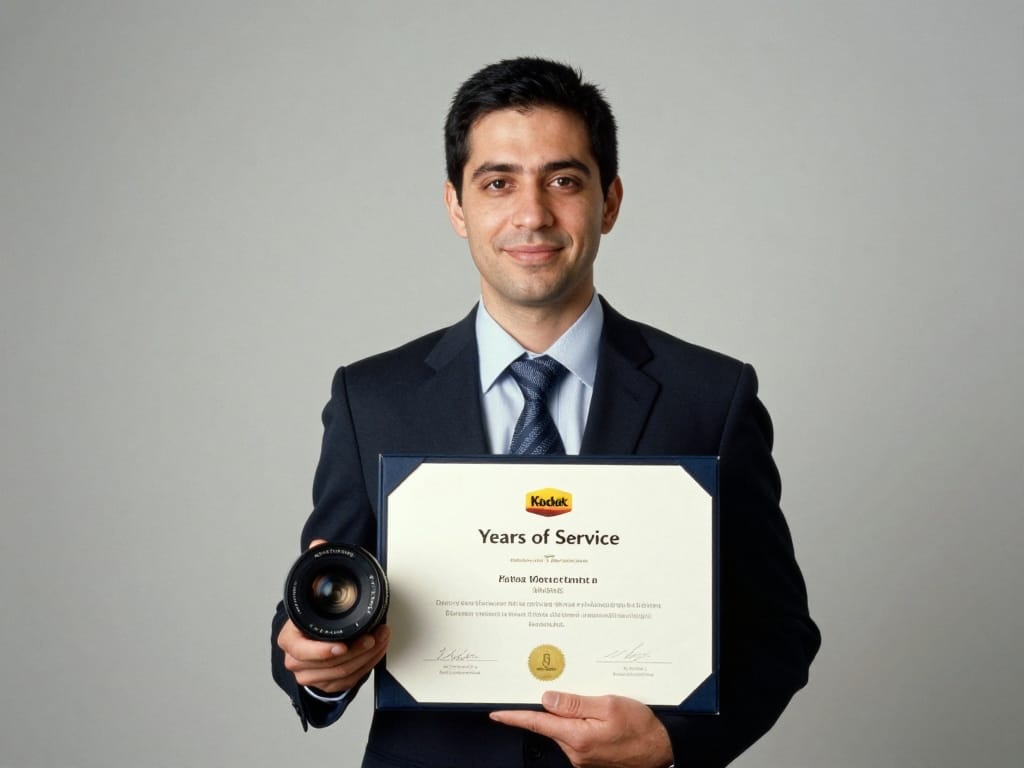
Acknowledging and celebrating employees' career milestones and achievements is crucial for fostering a committed and motivated workforce. When employees feel that their hard work and dedication are recognized, they are more likely to remain loyal to the organization. This sense of appreciation not only boosts morale but also enhances job satisfaction, leading to increased productivity and retention rates.
One effective way to recognize career milestones is through formal acknowledgment during company meetings or through personalized communications. Highlighting an employee's journey, challenges overcome, and successes achieved can inspire others and create a culture of appreciation. Additionally, offering rewards such as bonuses, promotions, or special projects can further solidify their commitment to the company.
Key Benefits of Recognizing Career Milestones:
Creating a structured recognition program that includes both short-term and long-term service awards can institutionalize this practice. For instance, commemorating years of service with gifts, certificates, or even public acknowledgments can make employees feel valued and integral to the company's success. Moreover, peer recognition programs can encourage a supportive work environment where achievements are celebrated collectively.
In conclusion, recognizing and rewarding career milestones not only strengthens employee commitment but also cultivates a positive workplace culture. By implementing thoughtful recognition strategies, organizations can ensure that their employees feel appreciated and motivated to continue contributing to the company's growth.
Managers play a crucial role in helping employees navigate career challenges and obstacles, fostering resilience and commitment within the organization. One effective strategy is to establish regular one-on-one meetings where employees can openly discuss their career goals, concerns, and any obstacles they may be facing. This creates a safe space for dialogue and allows managers to provide personalized support and guidance.
Another important approach is to encourage a growth mindset within the team. Managers can facilitate this by highlighting the value of learning from failures and viewing challenges as opportunities for development. Providing access to training programs, workshops, and mentorship opportunities can also empower employees to overcome obstacles and advance in their careers.
Additionally, recognizing and celebrating small wins along the way can boost employee morale and motivation. Acknowledging efforts and progress, even in the face of challenges, reinforces a positive work culture and encourages employees to stay committed to their career growth.
Key Strategies for Overcoming Career Obstacles:
Furthermore, managers should be proactive in identifying potential obstacles that may hinder employee progress. This could involve addressing resource constraints, providing necessary tools and support, or advocating for opportunities for advancement within the organization. By demonstrating a genuine interest in employees' career development and taking actionable steps to remove barriers, managers can strengthen career commitment and foster a resilient workforce.

Cultivating a culture of career growth and development within an organization is essential for fostering long-term employee commitment and satisfaction. When employees feel that their career progression is supported and valued by their employer, they are more likely to remain loyal, engaged, and motivated. This is particularly crucial in companies with more than 200 employees, where individual contributions can sometimes feel lost in the larger organizational structure.
A strong culture of career growth begins with clear communication of career pathways and opportunities for advancement. Employees should be aware of the various roles and responsibilities within the organization and understand the skills and experiences required to progress. This transparency not only helps employees set realistic goals but also empowers them to take charge of their career development.
Managers play a pivotal role in this process. Regular one-on-one conversations between managers and employees are vital for discussing career aspirations, identifying development needs, and setting achievable objectives. These discussions should be constructive, focusing on both strengths and areas for improvement. Managers should also provide feedback, recognize achievements, and offer support through mentorship or training programs.
Additionally, organizations should invest in professional development initiatives such as workshops, seminars, and online courses. Encouraging a learning mindset and providing resources for skill enhancement demonstrates a commitment to employee growth. Recognizing and rewarding employees who actively pursue development opportunities can further reinforce this culture.
In conclusion, fostering a culture of career growth and development is not only beneficial for employee retention but also for the overall success of the organization. By prioritizing career conversations and providing the necessary support, companies can create a motivated and committed workforce that drives long-term success.
Ability management (TM) is the anticipation of called for human resources for an organization, and the planning to fulfill those requirements. The field has been growing in value, and acquiring interest among practitioners along with in the academic discussion over the past one decade since 2020, particularly after McKinsey's 1997 research and the 2001 publication on The Battle for Skill. Although much of the previous research study focused on exclusive business and companies, TM is currently likewise found in public organizations. Talent monitoring in this context does not refer to the administration of artists. Skill administration is the scientific research of using strategic personnel planning to boost company value and to make it feasible for business and organizations to reach their goals. Every little thing done to hire, preserve, establish, reward and make individuals execute types a part of skill monitoring in addition to strategic workforce preparation. A talent-management technique ought to connect to service technique and to neighborhood context to function more properly (Tyskbo, 2019).
.Settlement and advantages refer to pay supplied by employers to workers for job executed. In the United States, it is typical for a significant amount of an employee's earnings to manifest as benefits; in 2012, among those working in wholesale trade, around one third of commission was with advantages. Compensation is the direct financial payment received for work, commonly referred to as salaries. It consists of various monetary forms such as income, per hour incomes, overtime pay, sign-on bonuses, value and retention rewards, compensations, incentive or performance-based pay, and limited stock units (RSUs). Benefits refer to non-monetary incentives provided by companies, which supplement base salary and add to staff member well-being and complete satisfaction. These benefits may include medical insurance, retirement cost savings strategies, paid time off (PTO), and childcare support. In the USA, workers commonly seek companies with desirable benefits, specifically medical care, which is just one of one of the most desired benefits.
.