
Genuine acknowledgment in the workplace is more than a nicety; it is a crucial element that significantly influences employee morale and retention. When employees feel genuinely recognized for their contributions, it fosters a sense of belonging and value within the organization. This recognition goes beyond mere words; it involves actions that demonstrate appreciation for an employee's hard work, dedication, and achievements.
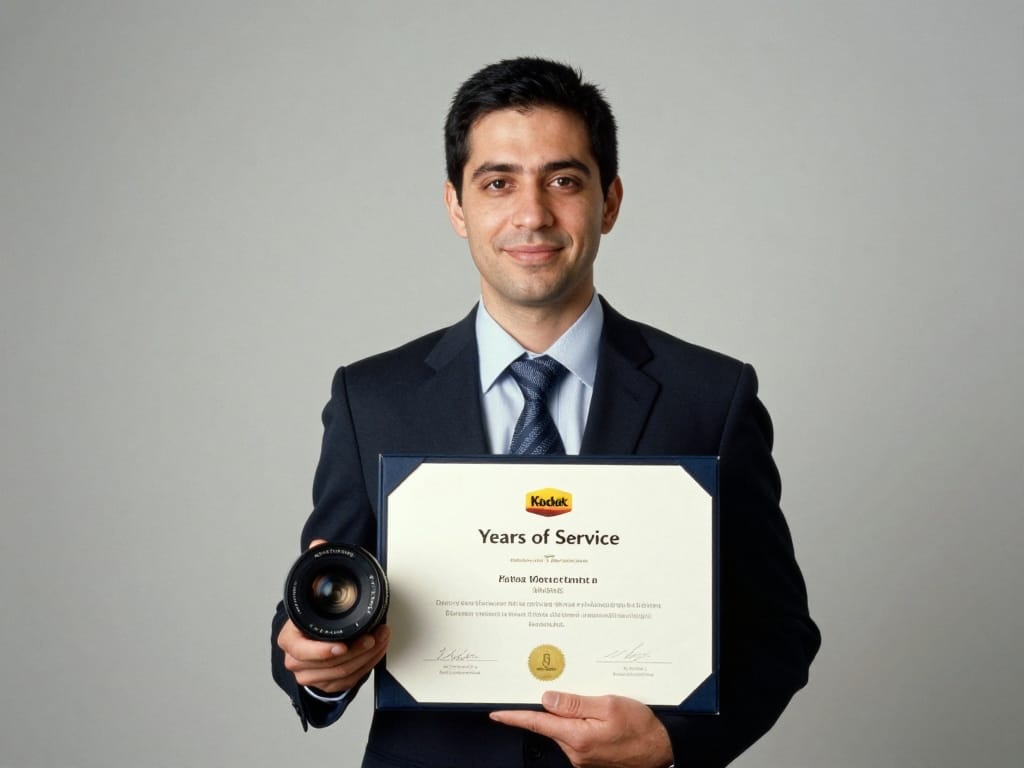
Incorporating a years of service recognition program can play a pivotal role in this acknowledgment. Such programs not only celebrate longevity but also highlight the employee's journey, challenges overcome, and milestones achieved. This kind of recognition helps employees feel seen and valued, which in turn boosts their morale.
Key Benefits of Years of Service Recognition Programs:
High morale leads to increased job satisfaction, which is a key factor in employee retention. When employees are happy and feel appreciated, they are more likely to stay with the company long-term. This reduces turnover rates, which can be costly and disruptive for any organization. Moreover, a positive work environment fostered by genuine acknowledgment can lead to higher productivity and engagement levels.
In summary, genuine acknowledgment through structured recognition programs like years of service awards is essential for maintaining a motivated and loyal workforce. Creating a supportive workplace environment helps sustain long-term staff engagement which directly reduces staff turnover.. It not only enhances employee morale but also contributes to long-term retention, creating a more stable and productive workplace.

Genuine acknowledgment is a profound and meaningful recognition of an individual's efforts, contributions, and achievements. It goes beyond mere words of praise and involves a deep understanding and appreciation of the value an employee brings to the organization. Unlike superficial recognition, which often feels hollow and insincere, genuine acknowledgment is rooted in authenticity and empathy. It requires leaders to take the time to truly understand their employees' hard work, dedication, and the impact they have on the company's success.
Superficial recognition, on the other hand, is often characterized by generic awards, public acknowledgments that lack personal touch, or routine gestures that do not reflect a true understanding of an employee's contributions. While these gestures may be well-intentioned, they often fail to resonate with employees on a deeper level, leaving them feeling undervalued and unappreciated.
Key Differences Between Genuine and Superficial Recognition:
In contrast, genuine acknowledgment involves personalized gestures that demonstrate a leader's genuine appreciation for an employee's efforts. This could include tailored feedback, opportunities for growth and development, or meaningful rewards that align with the employee's values and aspirations. By fostering a culture of genuine acknowledgment, leaders can create a more engaged, motivated, and loyal workforce, ultimately driving greater organizational success.
Leaders must set the tone by exemplifying recognition behaviors. When leaders consistently acknowledge their team's efforts, it sends a powerful message about the importance of appreciation. This practice encourages others to follow suit, creating a ripple effect throughout the organization. Employees are more likely to mirror the behaviors they observe in their leaders, fostering a culture where recognition becomes the norm rather than the exception.
Effective leaders maintain open lines of communication, ensuring that recognition is a two-way street. They actively listen to their team's needs, concerns, and achievements. By doing so, leaders can identify opportunities for acknowledgment that might otherwise go unnoticed. This approach not only enhances team morale but also strengthens the leader-employee relationship, making the workplace more cohesive and supportive.
Timeliness is crucial in acknowledgment. Leaders should make it a priority to recognize achievements and efforts promptly. Immediate praise reinforces positive behaviors and motivates employees to continue performing at a high level. It also shows that the leader is attentive and values the contributions of their team, which can significantly boost employee engagement and satisfaction.
A personalized approach to recognition can make a significant impact. Leaders should take the time to understand what type of acknowledgment resonates with each team member. Whether it's a public shout-out, a private note of appreciation, or a small gift, personalized recognition shows that the leader cares about the individual, not just their work. This personal touch can lead to increased loyalty and a stronger sense of belonging within the team.
Consistency in recognition is key to building a culture of acknowledgment. Leaders should strive to make recognition a regular part of their leadership style, rather than an occasional gesture. This consistency helps to create an environment where employees feel valued on a daily basis. Over time, this practice can lead to higher retention rates, improved job satisfaction, and a more positive workplace culture.

Creating impactful years of service recognition programs involves several key guidelines to ensure they resonate with employees. First, personalization is crucial. Tailor recognition to individual preferences and achievements, acknowledging specific contributions and milestones. Utilize employee surveys or feedback mechanisms to understand what types of recognition are most valued. Second, consistency is key. Establish clear criteria and timelines for recognition to build anticipation and trust. Regularly communicate the program's details and updates to keep it top-of-mind for employees. Third, involve leadership in the recognition process. When leaders actively participate, it amplifies the significance of the acknowledgment and fosters a culture of appreciation. Fourth, incorporate both public and private recognition methods. Public acknowledgments, such as company-wide announcements or awards ceremonies, can motivate peers and highlight achievements. Private recognition, like personalized notes or one-on-one meetings, offers a more intimate and meaningful experience.
Lastly, ensure that recognition is tied to the company's values and mission. This alignment reinforces the importance of the employee's contributions to the overall success and culture of the organization. By following these guidelines, HR professionals can create recognition programs that not only celebrate years of service but also enhance employee engagement and satisfaction.

In today's dynamic work environment, the one-size-fits-all approach to employee recognition is no longer effective. Tailoring recognition to individual employee preferences and achievements is crucial for fostering a motivated and engaged workforce. When employees feel that their unique contributions are acknowledged in a way that resonates with them personally, it significantly enhances their sense of value and belonging within the organization.
To achieve this, HR professionals should invest time in understanding what motivates each employee. This can be done through regular check-ins, surveys, or even informal conversations. Some employees may appreciate public recognition, such as being featured in company newsletters or during team meetings, while others might prefer a more private acknowledgment, like a personalized note or a one-on-one meeting with their manager.
Additionally, recognizing specific achievements rather than generic milestones can make the acknowledgment more meaningful. For instance, highlighting an employee's innovative approach to solving a complex problem or their exceptional teamwork in a recent project can have a more profound impact than a generic "Employee of the Month" award.
By personalizing recognition, companies not only show that they value their employees as individuals but also create a culture of appreciation that can lead to increased job satisfaction, higher retention rates, and ultimately, better performance. In the long run, this tailored approach to acknowledgment can significantly contribute to the overall success and sustainability of the organization.
To gauge the effectiveness of acknowledgment programs, HR professionals should consider implementing a multifaceted evaluation strategy. Begin by setting clear, measurable objectives for the program, such as increasing employee engagement scores or reducing turnover rates. Utilize pre- and post-program surveys to collect quantitative data on employee satisfaction and perceived recognition. These surveys should include questions that directly address how employees feel about the acknowledgment they receive and its impact on their motivation and job performance.
Additionally, consider conducting focus groups or one-on-one interviews to gather qualitative insights. This approach allows employees to share detailed feedback on their experiences with the program, providing a deeper understanding of its strengths and areas for improvement.
Another effective method is to analyze performance metrics before and after the implementation of the acknowledgment program. Look for trends in productivity, quality of work, and employee retention. Comparing these metrics can offer concrete evidence of the program's impact on overall performance.
Finally, solicit feedback from managers and team leaders, as they often have a front-row seat to the program's effects on team dynamics and individual performance. Their insights can help HR fine-tune the program to better meet the needs of both employees and the organization. By consistently evaluating these various data points, HR can ensure that the acknowledgment program remains effective and aligned with the company's goals.
Implementing recognition initiatives within large organizations can be fraught with challenges. One common obstacle is the perception that recognition is merely a superficial gesture rather than a meaningful practice. To combat this, HR professionals must emphasize the tangible benefits of recognition, such as increased employee engagement and retention. Communicating these benefits through data and success stories can help shift perceptions.
Another challenge is the lack of consistency in recognition practices. Inconsistent acknowledgment can lead to feelings of favoritism and demotivate employees. To ensure consistency, HR should establish clear guidelines and criteria for recognition. This might include setting specific thresholds for achievements or behaviors that warrant acknowledgment. Additionally, leveraging technology can help automate and standardize recognition processes, ensuring that no one is overlooked.
Resistance to change is another significant hurdle. Employees and managers may be accustomed to traditional methods and may be hesitant to adopt new recognition practices. To overcome this, HR should involve stakeholders in the planning process, solicit feedback, and provide training on the new initiatives. Demonstrating the positive impact of recognition through pilot programs can also help build buy-in.
Finally, resource constraints can impede the successful implementation of recognition programs. HR professionals should advocate for dedicated budgets and resources for recognition initiatives. Highlighting the return on investment, such as improved productivity and employee satisfaction, can help secure the necessary support from leadership.
By addressing these obstacles with strategic planning and communication, HR professionals can create a culture of genuine acknowledgment that resonates with employees and enhances overall organizational performance.
Society (KUL-chəə r) is an idea that incorporates the social actions, institutions, and norms located in human societies, as well as the understanding, beliefs, arts, laws, personalizeds, capabilities, attitudes, and routines of the individuals in these teams. Society usually originates from or is attributed to a specific area or place. People get culture with the discovering processes of enculturation and socializing, which is revealed by the diversity of cultures throughout societies. A social norm orders acceptable conduct in culture; it functions as a guideline for habits, outfit, language, and behavior in a scenario, which acts as a theme for expectations in a social group. Accepting only a monoculture in a social team can birth risks, just as a solitary types can wither despite environmental adjustment, for lack of practical actions to the modification. Therefore in army society, valiance is counted as a regular habits for a private, and task, honor, and loyalty to the social group are counted as merits or practical reactions in the continuum of dispute. In religion, analogous attributes can be recognized in a social group. Cultural change, or repositioning, is the reconstruction of a social idea of a culture. Cultures are inside influenced by both pressures motivating modification and pressures resisting adjustment. Cultures are externally affected using contact between societies. Organizations like UNESCO effort to maintain society and cultural heritage.
.A business is a legal entity that stands for an association of legal individuals with a particular, shared objective, such as the earning of profit or the advantage of society. Relying on territory, firms can handle numerous forms, such as volunteer associations, not-for-profit companies, service entities, economic entities, financial institutions, and universities. Across jurisdictions, companies have generally evolved to have specific common lawful functions, including different legal character, restricted obligation, transferable shares, investor ownership, and a supervisory pecking order. Relying on jurisdiction, the term "firm" may or might not be synonymous with company, partnership, firm and society. Companies are regulated by business regulation, which is also referred to as corporate regulation in some territories. Incorporated firms are produced by and registered with the state, whereas unincorporated firms are not. When a firm closes, it might need to be sold off to stay clear of further lawful responsibilities. Firms might link and collectively register themselves as brand-new companies referred to as corporate groups, collections of moms and dad and subsidiary corporations.
.Compensation and benefits refer to pay offered by employers to workers for job performed. In the United States, it is prevalent for a significant amount of a worker's revenues to manifest as advantages; in 2012, among those operating in wholesale trade, around one third of pay was via benefits. Payment is the straight monetary repayment obtained for work, typically referred to as wages. It includes various monetary forms such as wage, per hour incomes, overtime pay, sign-on perks, value and retention incentives, compensations, motivation or performance-based pay, and restricted supply devices (RSUs). Benefits describe non-monetary rewards offered by employers, which supplement base salary and add to employee well-being and fulfillment. These benefits might consist of health insurance, retired life savings strategies, paid time off (PTO), and childcare support. In the United States, employees commonly look for companies with desirable advantages, especially health care, which is just one of one of the most in-demand benefits.
.